Ningbo Bohua Mechanical Parts Co., Ltd. · Linda, Export Sales · linda@ningbobohua.com · www.bohua-casting.com
Alloy
ZL114 Aluminum Casting: Confirm the Exact Specification
Bohua uses ZL114 for gravity and tilt-pour casting, with T5/T6 heat treatment in-house. Start with the complete material designation on your drawing. Identify the governing specification, edition, delivery condition and test basis before tooling release. Approve material changes against the complete specification and the required test evidence.
ZL114 casting at Bohua
Bohua uses ZL114 for gravity and tilt-pour casting. Confirm the full material designation and delivery condition on your drawing before requesting a quotation.
At Bohua
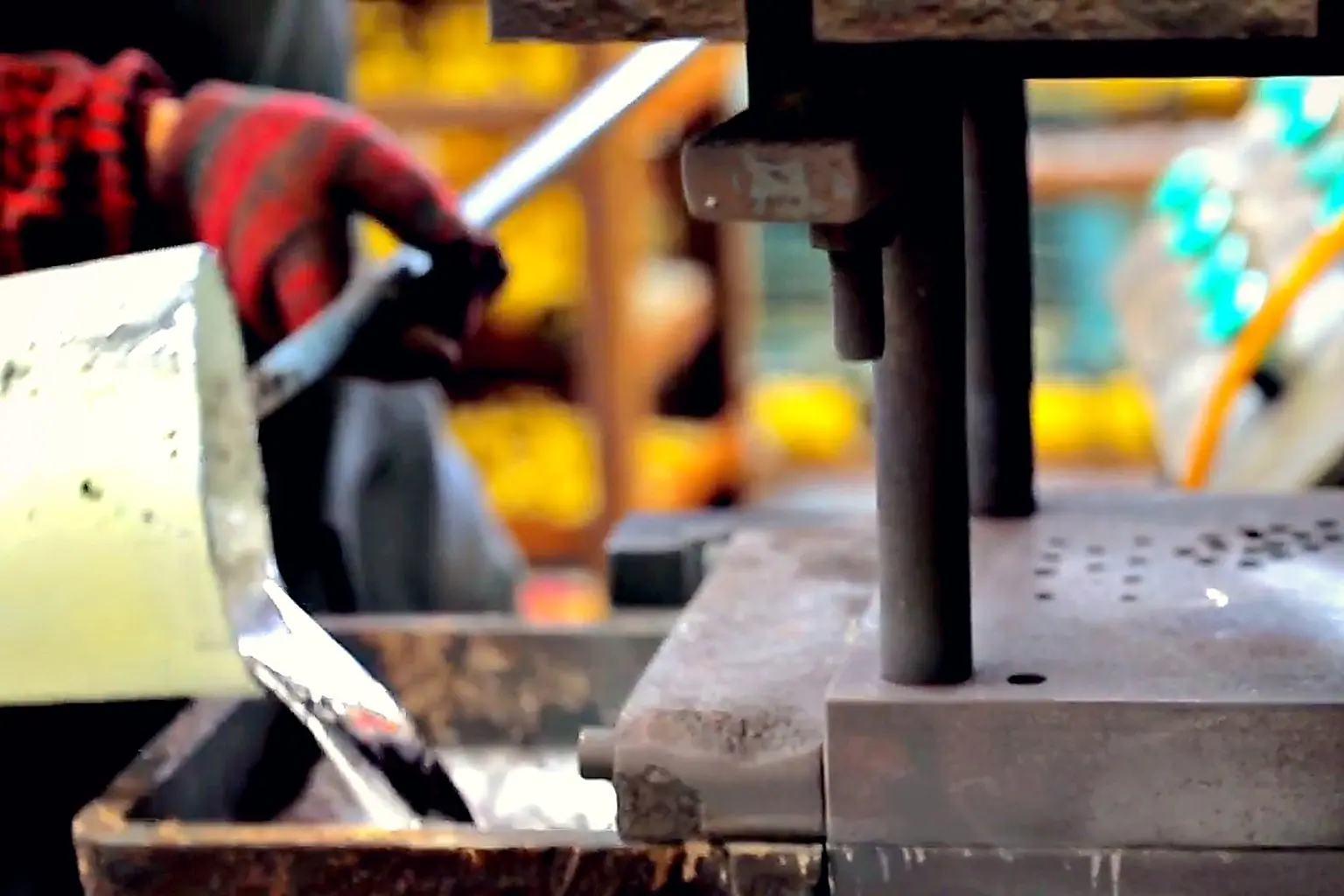
ZL114 is a confirmed casting material. The plant has 32 tilt-pour machines, 10 upright gravity casting machines and 10 hot-box core shooters. Some tilt-pour castings use sand cores. T5/T6 heat treatment is performed in-house.
Send internal passages and external machined interfaces in the same drawing package. See Bohua tilt-pour casting capabilities for equipment and geometry limits.
Resolve the exact designation before tooling
Start with the complete designation on your drawing. Confirm whether it calls for ZL114A or another specified grade, the standard edition, temper and acceptance tests before comparing material offers.
| Item | Information to supply | Decision before release |
|---|---|---|
| Alloy identity | Complete designation, including suffix; controlled specification and edition | Resolve any mismatch between drawing, model notes and purchase specification |
| Chemistry | Limits for all controlled elements, customer amendments and certificate format | Define the analysis and lot identification needed for acceptance |
| Delivery condition | Required as-cast or heat-treated condition and final machining state | Agree the route and inspection stage for the delivered part |
| Mechanical properties | Strength in MPa, elongation in %, test method and specimen source | Separate reference values from order acceptance limits |
| Critical features | Datums, tolerances, load-bearing regions and any pressure boundary | Agree dimensional and functional evidence |
Use your controlled material specification to set the full acceptance requirement, including customer amendments and delivery condition. For a proposed change of alloy, use the material designation and substitution checks. Obtain design-authority approval before changing a drawing callout.
Link heat treatment to final inspection
The required material condition must match the condition in which the part is tested and delivered.
Identify whether mechanical tests use a separately cast specimen or a specimen removed from the component. Specify the test location, lot definition, test method and required limits. Mark dimensions that apply after heat treatment and after final machining. Use tensile results from the specified specimen and condition when assessing the finished part.

Use the heat-treatment condition and acceptance guide to organize the requirements. Keep its A356 examples as background; set ZL114 acceptance values from your controlled ZL114 specification.
Choose evidence for the features that matter
Request inspection evidence that addresses the drawing's material, internal-integrity and dimensional requirements.
At Bohua
The laboratory has an Oxford optical emission spectrometer. Internal inspection equipment includes Unicomp UNC-160 and Y.MU2000-D X-ray systems. Dimensional equipment includes Hexagon Global S and NANO Metrology CMMs. PPAP support is available up to Level 5.
- For chemistry, specify the complete material limits and the required lot-linked report.
- For internal soundness, mark the inspection zones and the acceptance criteria. Define the required sampling and report format.
- For dimensions, identify critical features, datums and the final delivery state.
- For approval documents, list the required PPAP level, sample quantities and submission milestones.
Tell us which reports you need so we can review the inspection scope for your component. The quality control and inspection page describes the available factory equipment.
Send a specification-led ZL114 RFQ
Send the controlled drawing and material specification together, with the intended casting, heat-treatment and machining scope.
- 2D drawing and 3D model with the same revision.
- Exact alloy designation, standard edition, customer additions and delivery condition.
- Wall sections, internal passages, machining stock, functional datums and any surface treatment.
- Mechanical, dimensional and functional acceptance requirements, with sampling and reporting needs.
- Annual demand, release quantities, tooling status and sample approval milestones.
For a load-bearing bracket, add the service loads and required validation through the automotive suspension bracket RFQ checklist. Use those inputs to define the validation your bracket needs before approval. Submit the complete package through the ZL114 casting quotation request.
Send your drawing and material specification
Include the required alloy, delivery condition, annual demand and acceptance criteria. Not sure which process fits? Tell us what the part must do. In a free drawing review, our engineers recommend a process and suggest design changes where needed.
Send your drawing →