Ningbo Bohua Mechanical Parts Co., Ltd. · Linda, Export Sales · linda@ningbobohua.com · www.bohua-casting.com
Casting process
Aluminum Sand Casting
Bohua performs aluminum sand casting in-house. Send the drawing, alloy requirement, quantities and delivery condition for a project review. Include sections through internal passages and identify machined interfaces. For prototypes or replacement parts, state the intended use and approval requirements so the casting route can be assessed against the finished part.
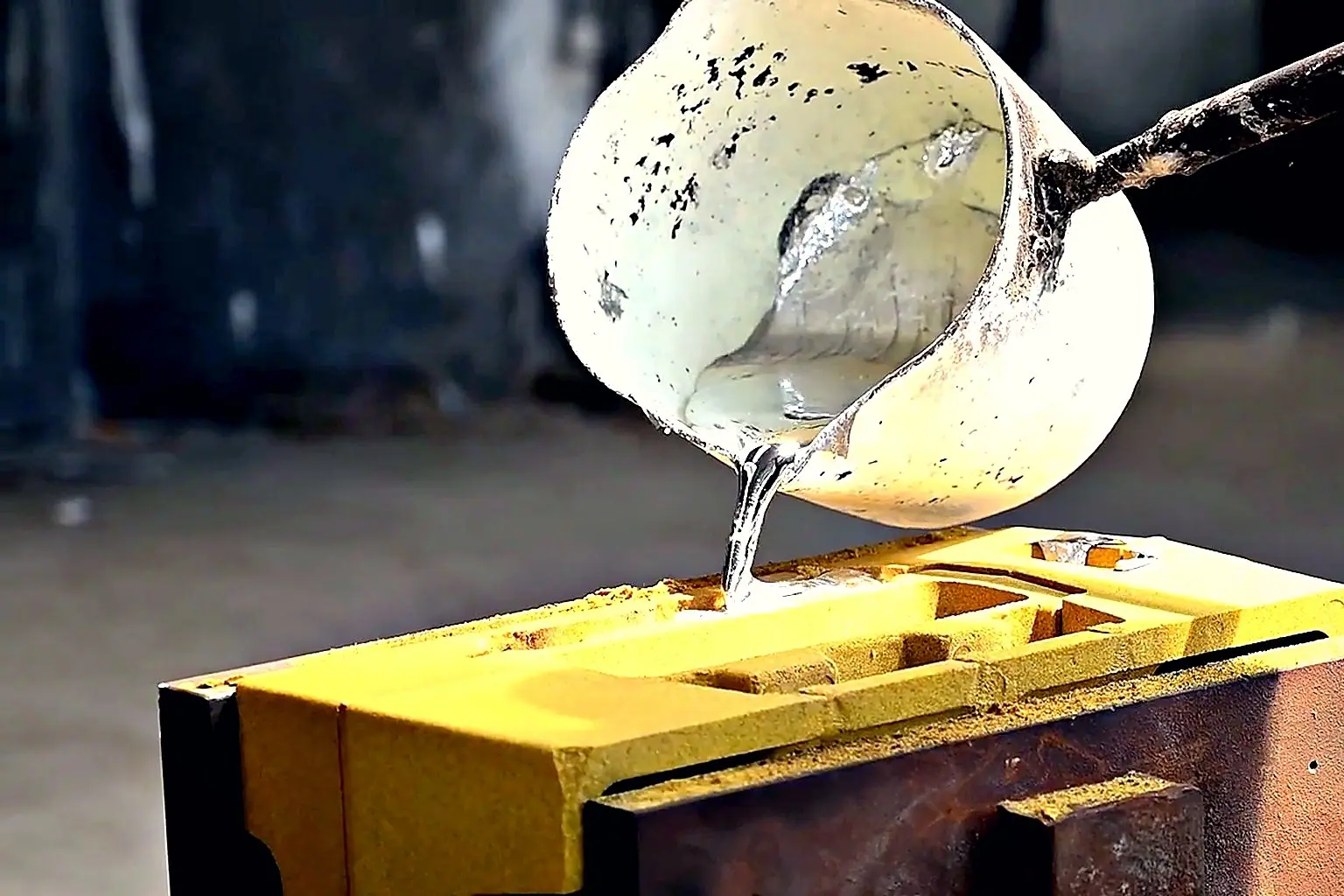
In-house sand casting at Bohua
At Bohua, sand casting is performed in-house.
At Bohua
- Sand casting is part of our in-house manufacturing scope.
- T5 and T6 heat treatment are performed in-house.
- Casting, core making, mold making, heat treatment, CNC machining and inspection share our site of about 16,300 m².
- Inspection equipment includes X-ray systems and coordinate measuring machines.
The video shows aluminum being poured into a sand mold. For other available routes, see Bohua casting processes.
Define the mold and internal passages
A sand mold forms the casting's exterior; a sand core can form an internal passage.
In general sand casting practice, a pattern forms the mold cavity. Cores are positioned where needed before pouring. After solidification, the mold is broken away, and the casting is cleaned and trimmed. Machining follows where the drawing requires it.
A sand core can also be used inside a permanent mold. Identify the mold route separately from the core requirements when describing your part.
At Bohua
Some tilt-pour castings use sand cores. Core making is a supporting operation shared with other casting routes.

Supply sections through passages, core interfaces and restricted areas. Mark minimum wall requirements, core support locations where specified, and access for cleaning. Identify surfaces that cannot be reached by machining and zones requiring internal inspection.
For a manifold project, see the intake manifold manufacturing scope and drawing inputs. The part geometry and acceptance requirements determine the appropriate route.
State what the casting must demonstrate
A prototype, replacement part and production component can require different approval evidence.
For a sample, state whether it is for assembly fit, functional testing or production approval. Identify any differences between the sample route and the intended production route. Even with the same alloy, compare finished-part properties across the sample and production routes using the required verification method.
| Review area | Information to provide | Requirement to resolve |
|---|---|---|
| Material and condition | Alloy specification with edition, temper and property targets | Material condition and verification method |
| Tooling | Existing patterns, core boxes, ownership, condition and permitted changes | Reuse, modification or new tooling scope |
| Demand | Sample, initial production, annual and expected lifetime quantities | Tooling and supply planning |
| Machining | Datums, bores, threaded ports, sealing faces and machining stock requirements | Delivered condition and dimensional acceptance stage |
| Approval | Required reports, inspection zones, sampling basis and approval authority | Evidence needed before production release |
If the drawing specifies sand casting, state whether a process change is permitted. Changes affecting material, geometry or validation require approval from the responsible customer or design authority. Compare alternatives against the same drawing and delivered condition using the sand casting and gravity casting comparison.
Separate the casting from finished-part acceptance
Specify whether each dimension is accepted as cast, after heat treatment or after final machining.
At Bohua
T5 and T6 heat treatment are available in-house. X-ray systems and Hexagon Global S and NANO Metrology coordinate measuring machines support inspection. Specify the material condition and inspection scope on your drawing so we can review the required heat treatment and checks.
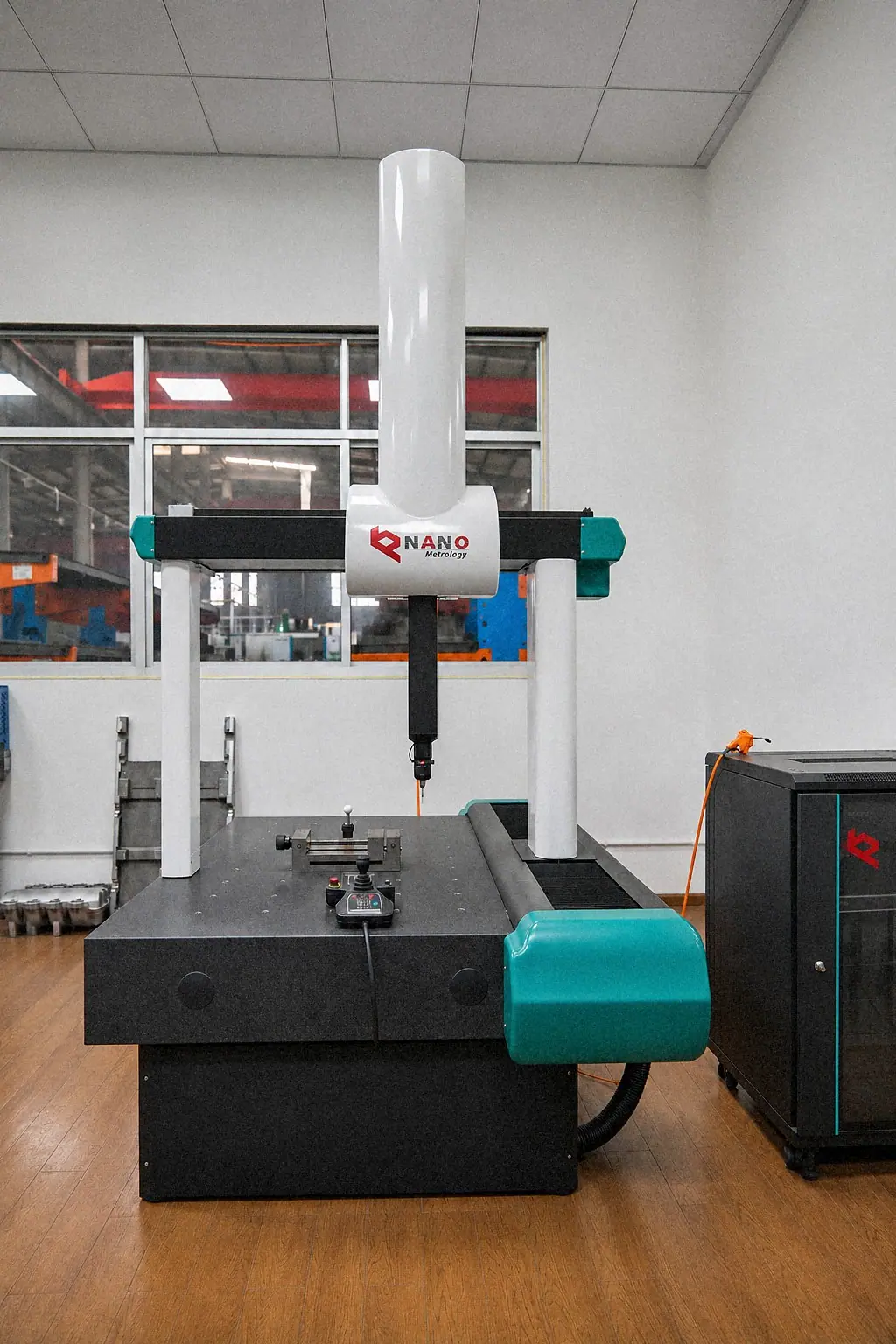
Mark critical dimensions, surface roughness requirements and the required report format. For internal inspection, define the zones and acceptance criteria. For a pressure boundary, specify the test method, medium, pressure, hold time and acceptance requirement.
Review the inspection equipment and quality-control scope when preparing the acceptance plan.
Prepare a sand casting RFQ
Send the released drawing and a clear statement of what must be delivered.
- Provide the 2D drawing, 3D model and revision.
- Include material requirements, internal-passage sections and machined datums.
- State quantities, tooling ownership, requested timing and approval requirements.
- Identify whether the request is for sand casting or includes a permitted alternative-route review.
Use the casting drawing requirements checklist, then submit a sand casting RFQ.
Send a drawing for a sand casting review
Include internal-passage sections, tooling status, quantities, machining requirements and the approval plan. Not sure which process fits? Tell us what the part must do. In a free drawing review, our engineers recommend a process and suggest design changes where needed.
Send your drawing →