Ningbo Bohua Mechanical Parts Co., Ltd. · Linda, Export Sales · linda@ningbobohua.com · www.bohua-casting.com
Company
Casting Capabilities: Your Project Path
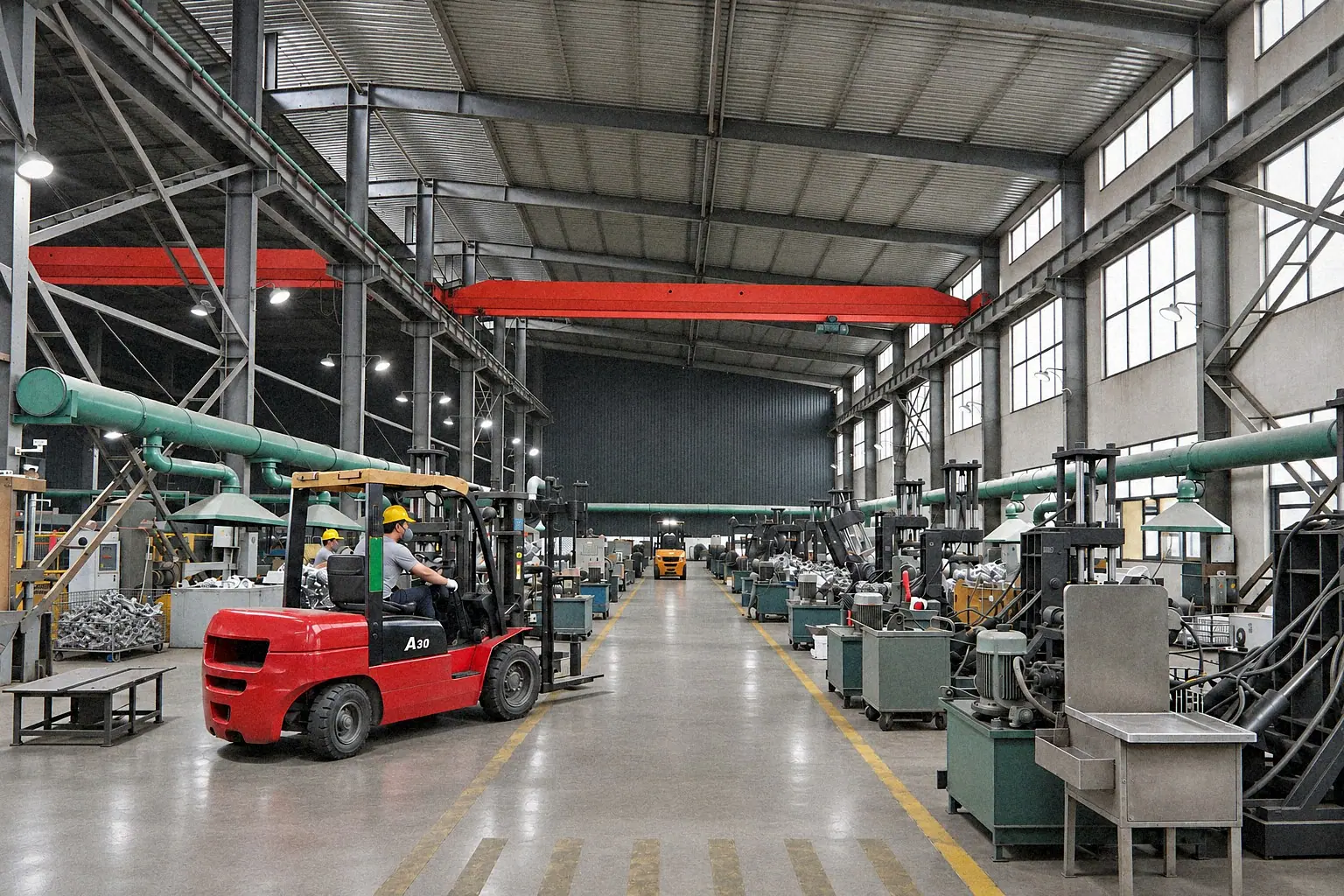
Bohua runs gravity and tilt-pour casting, tooling, T5/T6 heat treatment, CNC machining and inspection on one site of about 16,300 m² in Ningbo. There are 32 tilt-pour machines, some designed and built in-house, and 10 vertical gravity casting machines. Low-pressure casting has been in-house since 2014. Use the project path below to connect your drawing to these steps, from first inquiry to export delivery.
Start with your project's current stage
Use the same manufacturing and acceptance questions for a new part, an existing tool or a small batch.
The stages below are a project-planning guide. Agree the operations, records and release decisions required for your drawing.
Heat treatment and machining may be needed for first articles as well as production parts. PPAP applies when required by the customer.
1. Share requirements and controlled files
Start with the part's function, drawing status, expected demand and required delivery condition.
State whether you need an as-cast blank, a heat-treated casting or a machined component. Include the destination and requested delivery timing as requirements for discussion.
If an NDA is required, tell Linda before sending confidential drawings. Confirm the confidentiality arrangements before releasing those files.
At Bohua
Linda, Export Sales, is the project contact at linda@ningbobohua.com.
Use the casting RFQ form for project details, then email the controlled drawing package to Linda.
2. Resolve drawing and manufacturing questions
Use one controlled drawing revision to discuss geometry, machining and acceptance.
- State what the part must achieve, for example the tensile strength needed in one area or a pressure test.
- Identify the 2D drawing and 3D model revisions and explain any mismatch.
- Mark critical features, datums, wall sections, internal passages and machined surfaces.
- Define the required material condition and the stage at which each feature is inspected.
- Record open questions before confirming the tooling scope.
At Bohua
Mold design uses UG and SolidWorks. Casting simulation uses AnyCasting.
Once we know what the part must achieve, our engineers check which casting process suits it and suggest where the design could change. The drawing review is free. Many of the parts we cast today went into production with changes we proposed.
As-cast tolerance is CT8. Key dimensions after machining can reach ±0.02 mm. These figures describe different manufacturing states.
Use the drawing package requirements for version checks and the gravity casting design guide for manufacturing questions.
3. Match the material and casting route
Select the route against the drawing, material condition, annual demand and acceptance requirements.
At Bohua
Gravity and tilt-pour casting are the primary processes. A356 and ZL114 are used for gravity and tilt-pour casting.
| Route or operation | Confirmed capability |
|---|---|
| Tilt-pour gravity casting | 32 machines; some designed and built in-house |
| Vertical gravity casting | 10 machines |
| Hot-box core making | 10 machines; some tilt-pour parts use sand cores |
| Low-pressure casting | In-house since 2014 |
| Sand casting | Performed in-house |
| Die casting | Two machines, rated at 280 t and 450 t |
Send the drawing and we will confirm which route fits the part. Compare the A356 and ZL114 material scope and the casting process capabilities.
Tilt-pour size and weight references
| Characteristic and unit | Confirmed reference |
|---|---|
| Mold longest side (mm) | > 800 |
| Metal poured per pour (kg) | > 30 |
| Casting weight (kg) | From < 0.2 to > 30 |
| Largest casting, longest side (mm) | > 600 |
| Minimum wall thickness (mm) | About 3 mm typical; 2.5 mm over small areas near the gate |
The greater-than figures are lower-bound references, not maximum limits. Pour weight is different from casting weight. Confirm the local wall sections and overall geometry for your part.
See the tilt-pour gravity permanent mold casting page for detailed scope. For a fluid-path component, use the coolant water outlet drawing inputs.
4. Agree a comparable quotation scope
Define the delivered part and the separate tooling, sample and inspection requirements before comparing quotations.
At Bohua
Orders are quoted by annual volume; small batches are negotiable.
List tooling and fixtures separately from recurring part supply. State machining, heat treatment, surface requirements, inspection records, packaging and delivery terms. Ask for assumptions and exclusions to be identified.
A transferred mold still needs a condition and equipment-fit review. A small batch still needs an agreed acceptance scope.
Use the quotation scope guide to keep the same drawing revision and delivery condition throughout the discussion.
5. Plan tooling and the first article
Bohua designs and makes molds in-house, with 5–6 weeks from drawing confirmation to first article.
Most molds use GB 45 carbon steel. H13 is used for higher requirements. A356 permanent-mold life is about 20,000–50,000 shots. That range applies to GB 45 carbon-steel molds; H13 molds last about 100,000 shots with regular maintenance. The mold workshop has 17 machines.
The 5–6 weeks cover drawing confirmation to first article only. Agree sample approval, PPAP completion and production delivery dates as separate milestones. Agree the first article's delivery condition and required records separately.
For transferred-tool repairs or requalification, agree a separate schedule after reviewing the required work.
Define the approval owner and any correction or repeat-inspection requirements. Use the lead-time and approval milestones guide to separate the dates.
6. Inspect the first article in the required condition
Define what the sample must demonstrate and which inspection records support that decision.
| Question | Confirmed resource | Requirement to agree |
|---|---|---|
| Material chemistry | Oxford optical emission spectrometer | Alloy specification and required record |
| Internal indications | Unicomp UNC-160 and Y.MU2000-D X-ray systems | Inspection zones, acceptance reference and sampling |
| Dimensions | Hexagon Global S and NANO Metrology CMMs | Datums, features and inspection condition |
| Surface roughness | Mitutoyo SJ-410 roughness tester | Surface, parameter, units and measurement conditions |
| Pressure tightness | Air-under-water immersion at 3 bar or more | Pressure boundary, test pressure, duration and acceptance criteria |
These methods answer different questions. Specify the methods needed for your part and agree which tests the quotation includes.
Impregnation requires customer consent and is performed by a qualified subcontractor. State whether it is permitted before defining the inspection and acceptance route.
See quality control and inspection capabilities for the wider equipment scope.
7. Define PPAP and the production release
Bohua supports PPAP up to Level 5 according to project requirements.
Agree the required submission level, samples, records and customer-specific requirements. Identify who approves the evidence and what must be resolved before production release.
At Bohua
Bohua holds IATF 16949:2016 certification issued by NQA, valid through November 20, 2027.
Use system certification for supplier qualification. Obtain the customer’s approval of the part separately from PPAP package submission.
Use the PPAP evidence planning guide to define the package for your program.
8. Connect production to heat treatment and machining
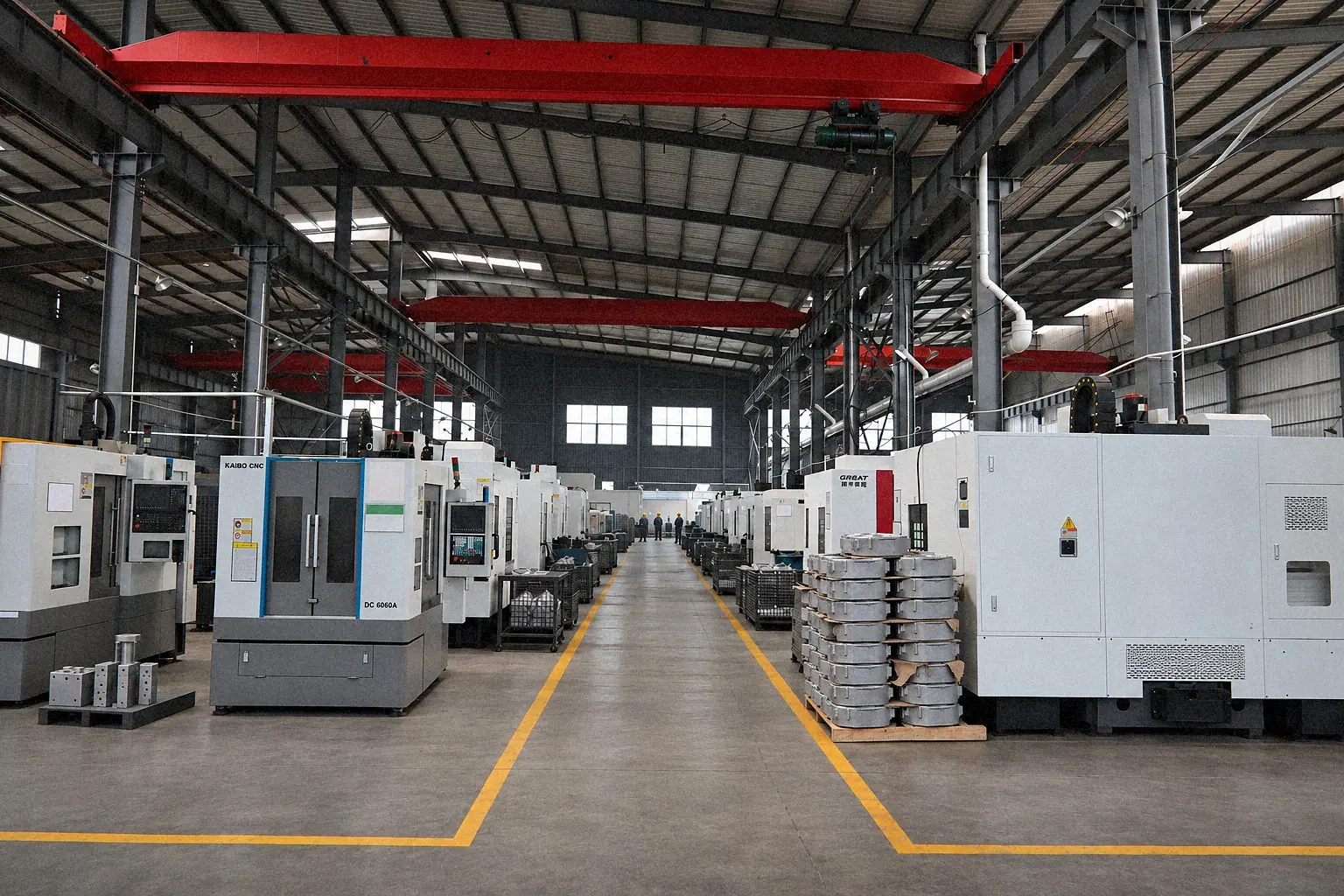
Bohua performs casting, core making, tooling, T5/T6 heat treatment, CNC machining and inspection at the same site of about 16,300 m².
Annual shipments are about 3–4 million parts. Annual capacity is 5–7 million parts. These figures describe the whole plant. Share your required quantities and delivery dates so we can review production allocation for your project.
| Equipment | Count (machines) |
|---|---|
| Vertical machining centers | 16 |
| CNC engraving and milling machines | 2 |
| CNC lathes | 22 |
| Large lathes | 2 |
Mirror polishing is available. Define the surfaces and required measurement evidence, then assess roughness against the measured results.
Agree the operation sequence and inspection state for the delivered part. Keep as-cast CT8 separate from the ±0.02 mm capability for key dimensions after machining.
See the casting and CNC machining delivery scope. Use the surface-finishing specification guide for coating questions. Specify the finish you need so we can confirm the supply scope for your project.
9. Define export delivery and handover records
Bohua has its own factory and export team, with exports dating from 1994.
About 70% of sales are exported. Buyers work directly with the plant.
Agree the release quantity, packaging, destination, delivery terms and required inspection records for the shipment. Keep dispatch and arrival dates separate from first-article and approval dates.
For export project inputs, use the factory and export sourcing page. Bring the agreed drawing, quantities and delivery condition together in the casting RFQ.
Discuss your drawing and project stage
State whether this is a new part, an existing-tool transfer or a small batch. Include annual volume and acceptance requirements. Not sure which process fits? Tell us what the part must do. In a free drawing review, our engineers recommend a process and suggest design changes where needed.
Send your drawing →