Ningbo Bohua Mechanical Parts Co., Ltd. · Linda, Export Sales · linda@ningbobohua.com · www.bohua-casting.com
Casting process
Aluminum Casting + CNC Machining RFQ for Finished OEM Parts
Bohua combines aluminum casting and CNC machining in-house for a finished-part RFQ. Define the machined features, datums, heat-treatment condition and acceptance records together. Our workshop includes 16 vertical machining centers and 22 CNC lathes. The quotation scope should distinguish the casting blank, machining fixtures, finished geometry and inspection required for delivery. Bohua's quality management system is certified to IATF 16949:2016 by NQA.
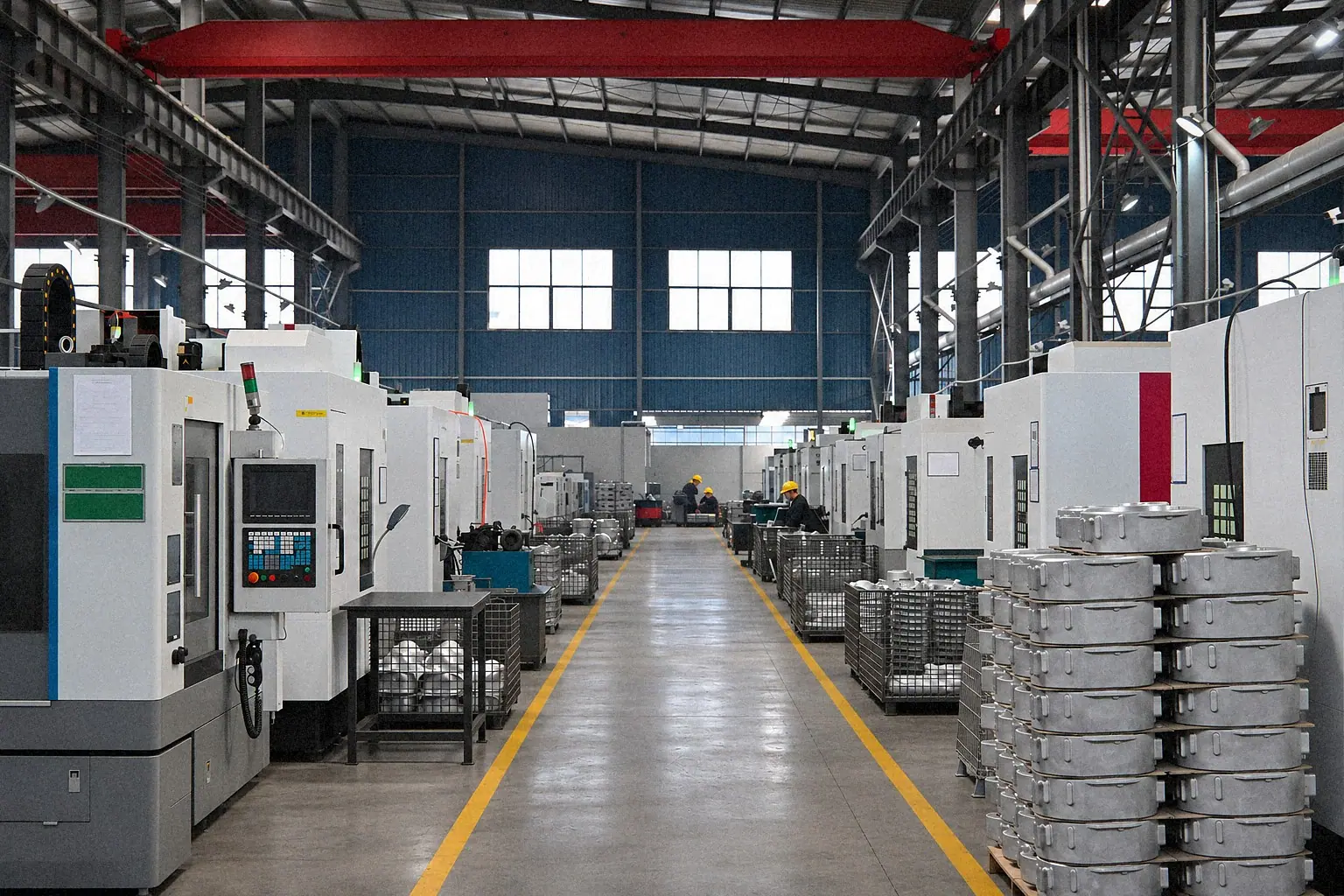
Bohua's machining equipment
Bohua's machining workshop includes 16 vertical machining centers, 2 CNC engraving and milling machines, 22 CNC lathes and 2 large lathes.
| Equipment | Count (machines) |
|---|---|
| Vertical machining centers | 16 |
| CNC engraving and milling machines | 2 |
| CNC lathes | 22 |
| Large lathes | 2 |
At Bohua, A356 and ZL114 are used for gravity and tilt-pour casting. Review the gravity casting manufacturing scope when selecting the casting route.
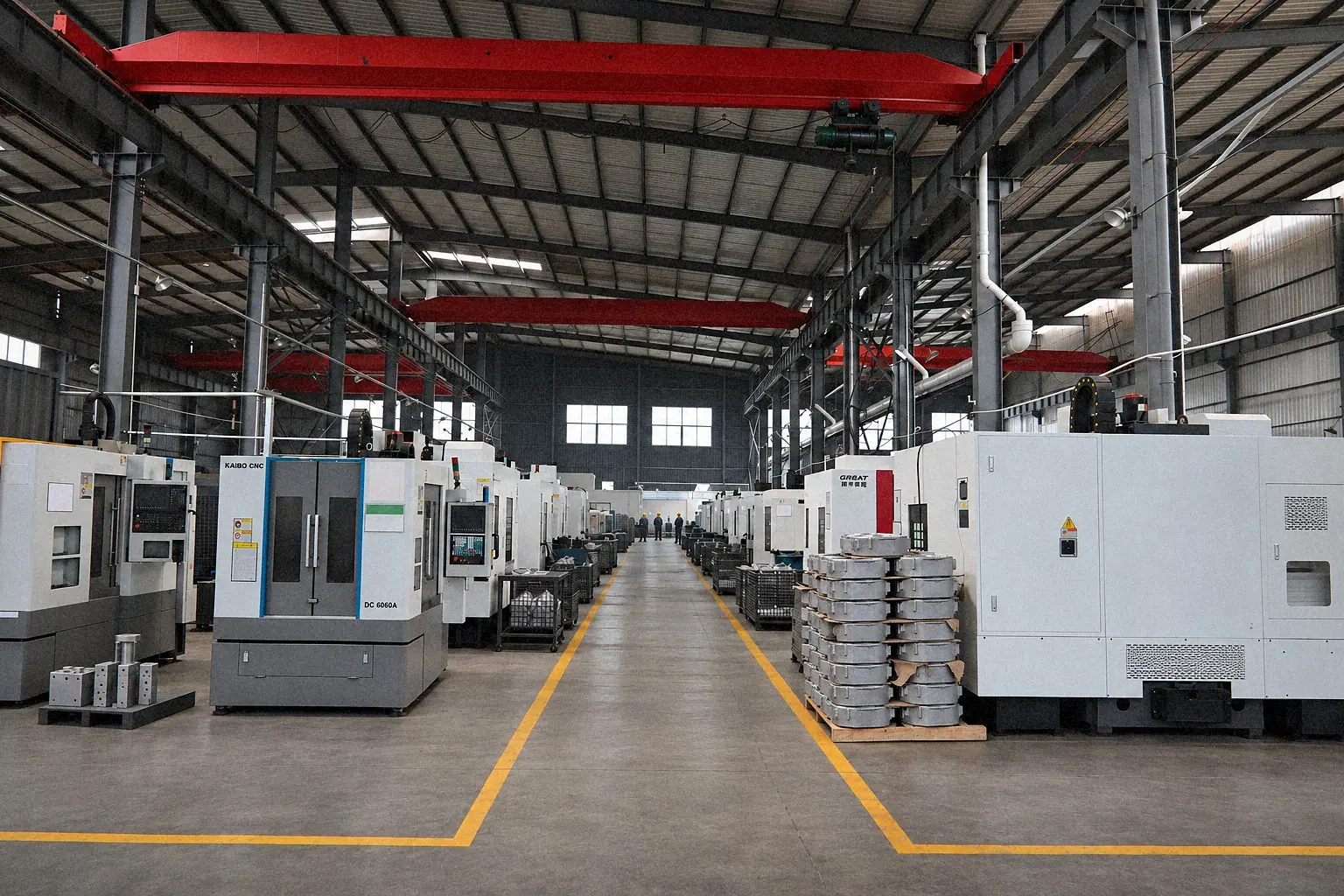
Use the finished-part drawing to specify which faces, bores, threads and locating features belong in the machining scope, along with the condition in which the casting will be delivered.
Connect tooling to the finished datum scheme
Bohua designs and makes molds in-house, supported by a tooling workshop with 17 machines.
At Bohua
As-cast tolerances are CT8. Key machined features can reach ±0.02 mm where the drawing, feature and datum scheme allow. T5 and T6 heat treatment is completed in-house.
The CT8 figure describes the as-cast condition. The ±0.02 mm figure applies to key dimensions after machining. Mark the key dimensions you need so we can review each feature against the drawing, datum scheme and selected casting route.
Identify the machining datums and critical features early so the quoted scope distinguishes casting requirements from dimensions accepted after machining. State the general tolerance standard and edition, then mark individual exceptions. See casting and machining tolerances for drawing guidance.
For related assembly requirements, use the intake manifold manufacturing and RFQ requirements.
Define machining and acceptance by feature
In your housing RFQ, mark functional surfaces, cosmetic surfaces and features that remain as-cast so we can review the scope by area.
| Feature | Drawing input | Acceptance input |
|---|---|---|
| Datums and mounting faces | Primary locating surfaces, machining allowance and setup relationships | Flatness, perpendicularity and measurement stage |
| Bores and bearing seats | Finished sizes, positions and relationships to other features | Critical dimensions and required dimensional records |
| Threads and inserts | Size, depth, blind or through holes, insert requirements | Gauge requirements, cleaning and required records |
| Ports and sealing faces | Machined area, surface requirement and sealing geometry | Leak-test stage and acceptance criteria |
| Visible or coated surfaces | Separate cosmetic zones from functional and as-cast areas | Surface acceptance criteria and coating requirements |
| Edges and internal passages | Deburring, edge breaks and access requirements | Cleanliness and inspection requirements |
If your datum plan or finish is provisional, flag it in the RFQ so we can clarify the quotation assumptions with you. Request separate confirmation of insert installation, coating and cleaning scope.
See surface finish requirements to define the surface condition by area.
Add heat treatment and inspection to the same scope
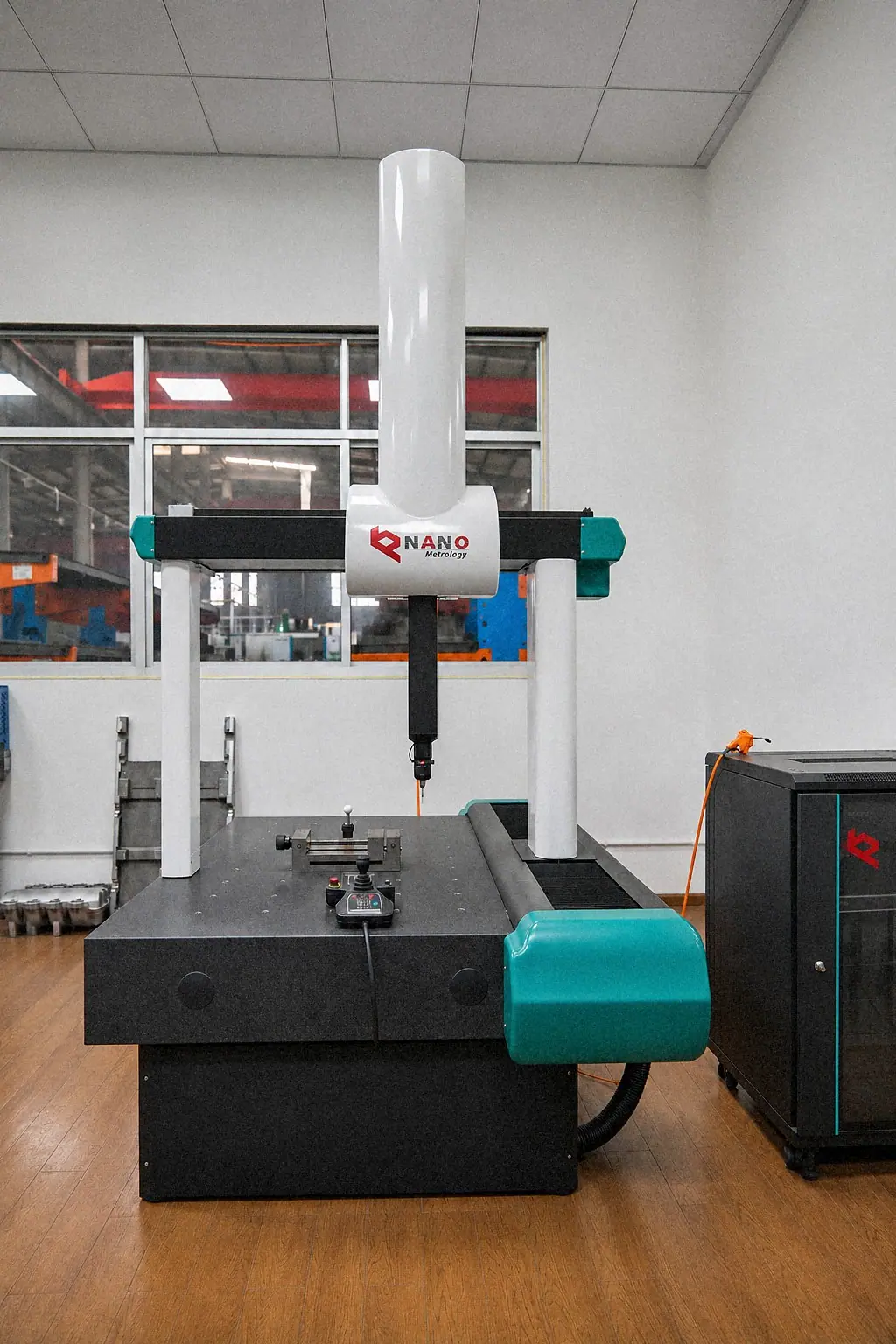
Bohua's dimensional inspection resources include Hexagon Global S and NANO Metrology coordinate measuring machines.
For pressure-tight components, Bohua uses air-under-water immersion testing at 3 bar or more within the equipment range. Specify the heat-treatment condition, measurement stage, test pressure, duration and acceptance criteria together with the machining requirements.
Machining can expose internal porosity at a bore, port or sealing face. State whether leak testing is required before machining, after machining or at both stages during validation. Define leak testing as a separate scope item with its fixture and reporting requirements.
For A356-T6, state the required properties and the applicable material standard and edition. Identify whether acceptance requires separate test bars, coupons or samples cut from a part. Separate sample reports from records required for each production lot.
Bohua supports PPAP up to Level 5. Use the quality control and inspection scope to define dimensional, material, heat-treatment and leak-test evidence for the agreed delivery state.
Submit a finished-part RFQ with explicit inclusions
Send a one-page scope summary with matching 2D and 3D files so casting-only and finished-part quotations can be compared on the same basis.
- Control the files. Identify revision and release status. State which file governs any conflict. If only a drawing or model is available, list the missing information and the assumptions to review.
- Define the delivery state. Separate casting, heat treatment, machining, surface finishing, cleaning, inspection and packaging. Mark each as included, excluded or requested separately.
- Separate tooling and fixtures. List casting molds, core boxes, machining fixtures and test fixtures. Request ownership, revision responsibility and sample timing in the quotation.
- State the quantities. Separate samples, the first order and annual demand. Identify the required sample date, production schedule and any uncertainty in the forecast.
- Define records and delivery. List required sample and lot records, packing requirements and destination. Ask for written assumptions about any outside operations and delivery terms.
If both delivery states are under consideration, request separate quotation lines for the casting blank and the casting plus CNC machining. At Bohua, orders are quoted by annual volume; small batches are negotiable.
Use the casting drawing requirements to check the files, then send the package through the finished-part casting RFQ page.
Send a finished-part casting and machining RFQ
Include the drawing, model, datum scheme, machining scope, annual volume and inspection requirements. Not sure which process fits? Tell us what the part must do. In a free drawing review, our engineers recommend a process and suggest design changes where needed.
Send your drawing →