Ningbo Bohua Mechanical Parts Co., Ltd. · Linda, Export Sales · linda@ningbobohua.com · www.bohua-casting.com
Application
EV Motor Housing Manufacturer for OEM Programs, End Bells, and Drive-Unit RFQs
Bohua reviews EV motor housing, end-bell, and drive-unit RFQs against the actual drawings and acceptance plan. Casting route, alloy and temper, bearing features, sealing faces, coolant passages, machining datums, and inspection records must be defined together. Capability is confirmed project by project before tooling. Bohua's quality management system is certified to IATF 16949:2016 by NQA.
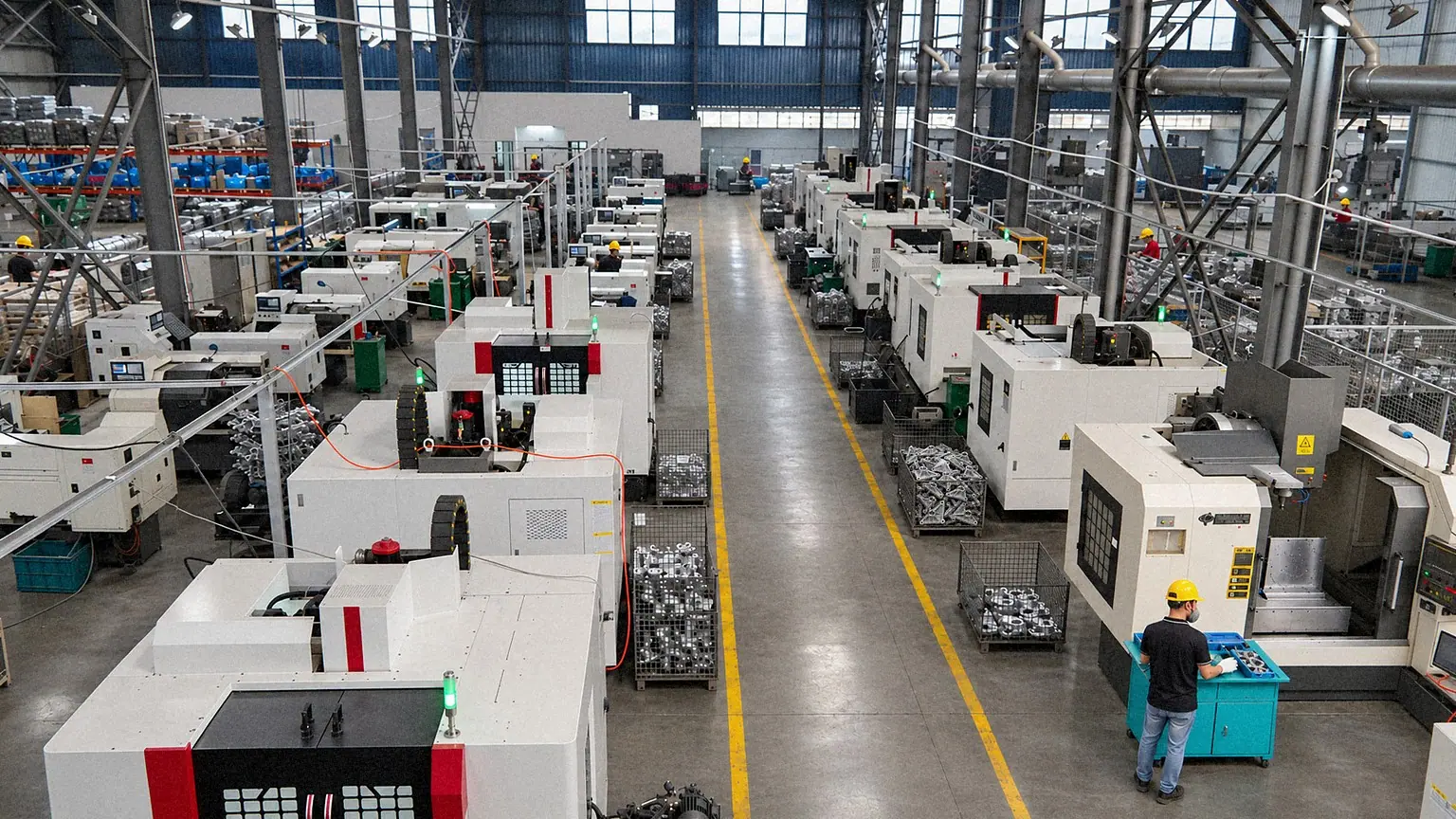
Manufacturing scope for EV motor housings and end bells
Send your cast aluminum motor housing, end bell, or adjacent drive-unit housing drawing for review. We will check it against our casting, heat-treatment, machining, and inspection scope, then review the alloy and process against your requirements.
- Tilt-pour machines
- 32
- Vertical gravity machines
- 10
- Hot-box core shooters
- 10
- Vertical machining centers
- 16
- As-cast tolerance
- CT8
- Machined critical dimensions
- ±0.02 mm
At Bohua
Gravity casting and tilt-pour gravity casting are available for A356 and ZL114. Low-pressure casting has been in-house since 2014, and sand casting is also done in-house. The Ningbo site includes mold making, T5/T6 heat treatment, CNC machining, and inspection as well as casting and core making.
The first process decision is whether the geometry, internal passages, wall distribution, machining stock, and acceptance plan fit the proposed route. Bohua's gravity casting manufacturing scope and A356 alloy and T6 specification guide provide the adjacent process and material detail.

End covers and adjacent electronics housings
Identify the cover's function and any linked housing scope before comparing manufacturing proposals. Use the EV aluminum housing RFQ guide for the detailed interface and inspection decisions.
- Distinguish a bearing-side end bell from a controller-side cover; their locating and sealing duties may differ.
- For a housing and end bell ordered together, state whether tooling, fixtures, and sample approval are linked or independent.
- For inverter, onboard-charger, or DC-DC housings, mark grounding and shielding contact faces that must remain uncoated.
Define the functional interfaces before quotation
The RFQ should show how bearing, sealing, cooling, and mounting features relate to a common datum system. A housing and its end bell may be sent together when their alignment or sealing relationship affects the machining and inspection plan.
| Feature | Buyer must define | Review output |
|---|---|---|
| Bearing seats and pilot bores | Fits, tolerances, bore relationships, runout or coaxiality, and datums | Machining access, stock, fixture references, and CMM approach |
| Housing-to-cover interfaces | Flatness, surface finish, bolt pattern, locating features, and sealing method | Machining sequence and dimensional report scope |
| Coolant circuit | Wet and dry zones, passage construction, test stage, pressure, hold time, and acceptance limit | Core and tooling review, sealing fixture boundary, and test feasibility |
| Mounting and cable features | Threads, bosses, connectors, cable entries, datums, and coating restrictions | Casting access, machining access, protection, and inspection method |
CT8 is the confirmed as-cast tolerance capability. The ±0.02 mm capability is for critical dimensions after machining. Mark the features requiring each tolerance. We will review feature geometry, datum access and fixture strategy with you, then agree the inspection plan before confirming feasibility.
Coolant passages change the RFQ scope
A liquid circuit adds core, sealing, cleaning, fixture, and test requirements. The buyer should separate the pressure boundary from dry structural areas and state when the test occurs in the manufacturing sequence.
- Circuit definition: identify every connected passage, cover plate, plug, groove, and sealing face.
- Test boundary: show which ports are open, blocked, or connected during the test and who supplies any special fixture concept.
- Acceptance inputs: define the test pressure, hold time, allowable result, test stage, sampling plan, and record format.
- Post-process condition: state whether coating, impregnation, machining, washing, or assembly occurs before or after the required test.
Available pressure-test method
Bohua's confirmed method is air-under-water immersion at 3 bar or more. The actual pressure, duration, test stage, and acceptance criteria must be agreed for the project. Impregnation is only performed by a qualified outside provider with customer approval.
Use the pressure-tight aluminum casting review when a coolant circuit is part of the drawing. Include the coolant test requirements with the complete casting and machining RFQ so we can review the housing as one supplied component.
Machining and inspection evidence
Bearing bores, cover interfaces, mounting faces, threads, and sealing features should be assigned to a datum-controlled machining scope. The same datum references should carry into the inspection report.
Equipment available at the Ningbo site
Bohua has 16 vertical machining centers, 2 CNC engraving and milling machines, 22 CNC lathes, and 2 large lathes. Dimensional inspection includes Hexagon Global S and NANO Metrology coordinate measuring machines. Internal-quality review can use Unicomp UNC-160 and Y.MU2000-D X-ray systems when the RFQ defines the critical zones and acceptance reference.

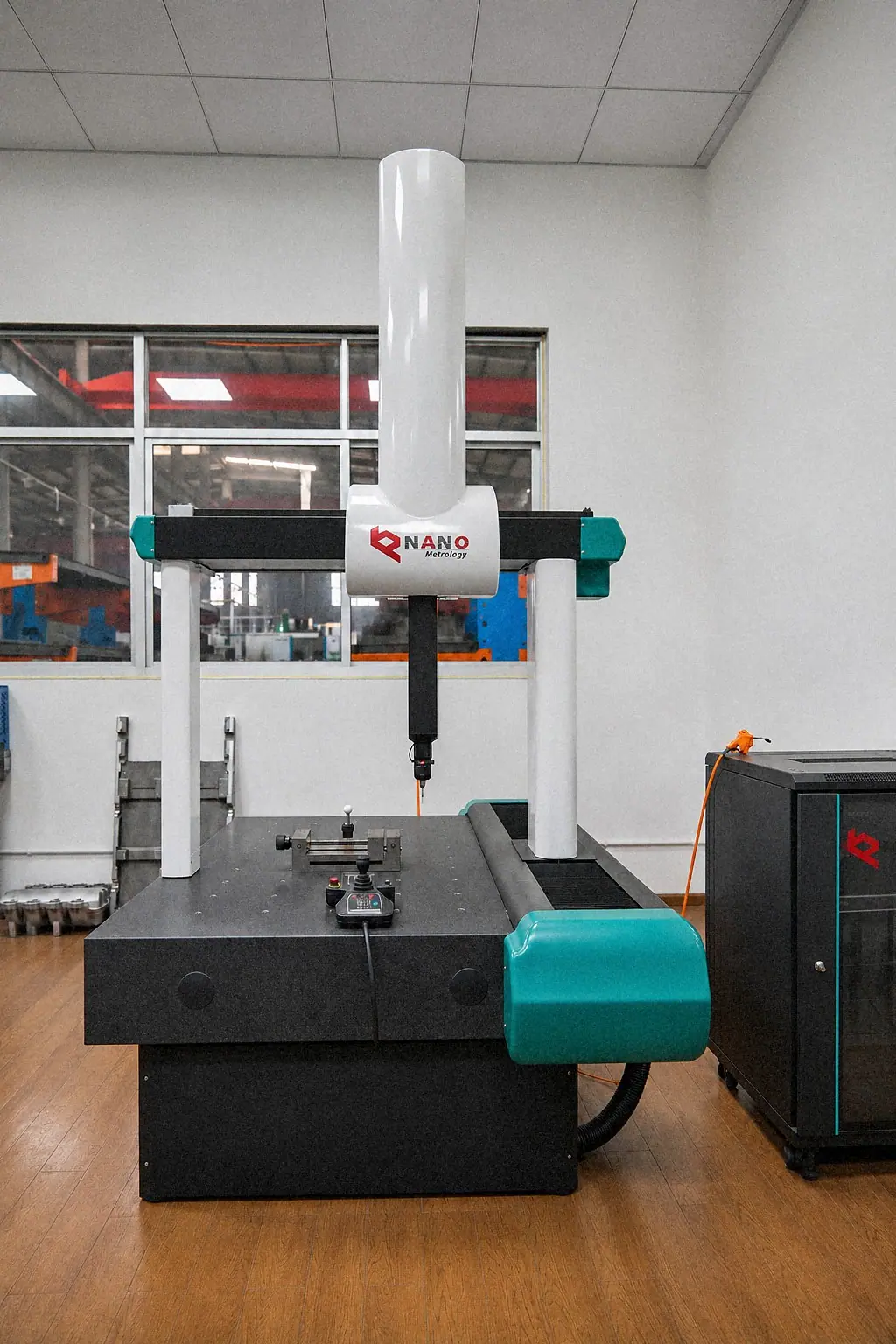
The casting and CNC machining page explains the full equipment scope. The quality control and inspection page lists available evidence. PPAP documentation can be provided up to Level 5 when the project requires it.
What to include in an EV motor housing RFQ
A complete RFQ lets casting, machining, testing, and inspection be reviewed as one deliverable. Use current files and identify every assumption that is still open.
- Drawing package. Send revision-controlled 2D PDF and 3D STEP or IGES files for the housing, end bell, and any mating cover included in the quote.
- Functional map. Mark bearing seats, pilot features, sealing faces, coolant boundaries, thermal-contact surfaces, mount datums, threads, and cable entries.
- Material condition. State alloy, temper, governing specification, required material records, and dimensions checked after heat treatment.
- Finished-part scope. List machining, cleaning, coating, impregnation, pressure testing, packaging, and any buyer-supplied operations.
- Inspection plan. Define datum references, critical dimensions, internal-quality zones, pressure-test acceptance, sampling, and required reports.
- Program inputs. Provide annual volume, release quantities, tooling status, delivery destination, and the required approval schedule.
When all inputs are ready, send the EV motor housing RFQ. If the assembly also contains gearbox-style bearing and sealing interfaces, compare the inputs with the gearbox housing manufacturing review.
Related requirements
Battery enclosures are a different part family with their own sealing and inspection questions. See EV battery pack housing casting requirements.
Send your motor housing drawing for a cooling and sealing review
Share the cooling passages, sealing faces, machining scope and annual volume. Not sure which process fits? Tell us what the part must do. In a free drawing review, our engineers recommend a process and suggest design changes where needed.
Send your drawing →