Ningbo Bohua Mechanical Parts Co., Ltd. · Linda, Export Sales · linda@ningbobohua.com · www.bohua-casting.com
RFQ
Automotive Suspension Bracket RFQ
For an automotive suspension bracket or shock absorber housing RFQ, send the loading context, drawing, material condition, machined interfaces and approval requirements. Bohua has gravity casting, CNC machining and mechanical testing resources. A drawing review must connect those capabilities to your component, its test conditions and the evidence needed for acceptance.
Define the suspension casting scope
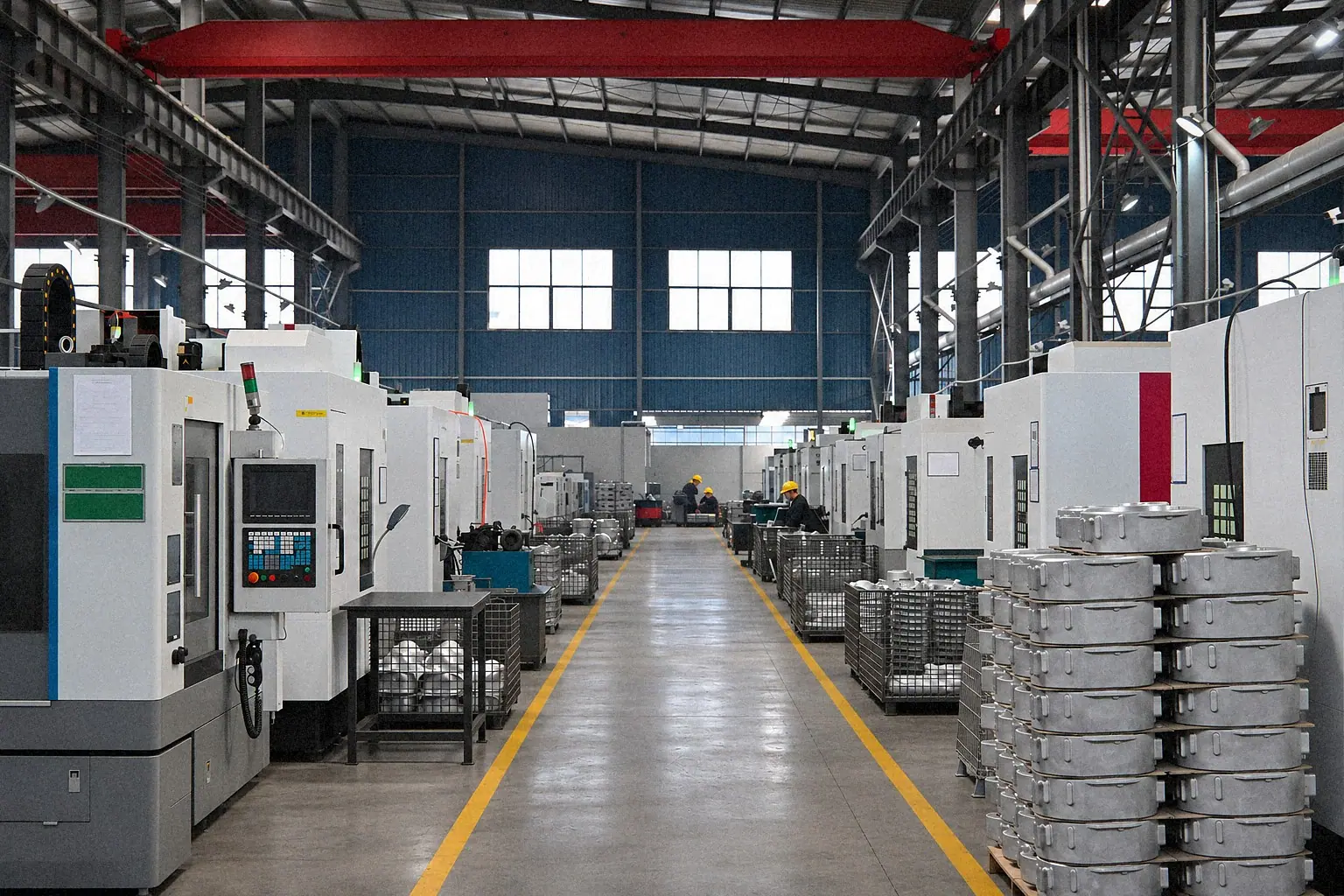
Identify the load-bearing features and final delivery condition before requesting a suspension bracket quotation. For a shock absorber housing, include the bore relationships and mounting interfaces that affect the assembly.
At Bohua
We operate 32 tilt-pour machines and 10 vertical gravity casting machines. Our materials for gravity and tilt-pour casting include A356 and ZL114. T5 and T6 heat treatment are completed in-house.
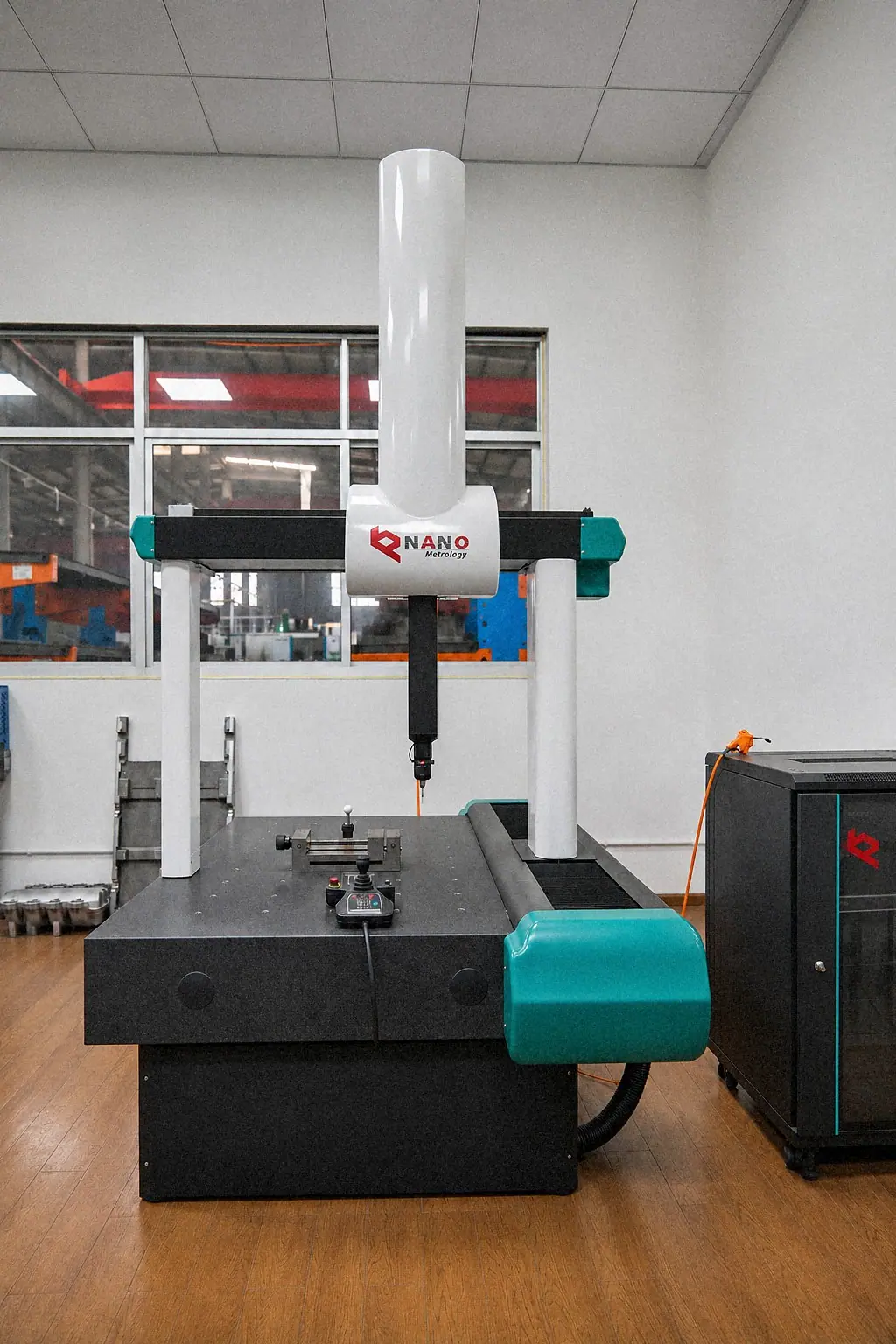
Bohua has 16 vertical machining centers and uses Hexagon Global S and NANO Metrology coordinate measuring machines.
Review the tilt-pour casting manufacturing scope against the bracket geometry and material requirements. Send the drawing and required validation plan so we can review whether the manufacturing scope fits your component.
Identify the machined load interfaces
Mark the bores, locating faces, bolt pattern and fatigue-sensitive sections on the drawing. Keep cast dimensions separate from finished dimensions.
| Feature or condition | Information to supply | Evidence to define |
|---|---|---|
| Bores and locating features | Diameter, tolerance, machining allowance, surface finish and datum relationships | CMM points, setup and dimensional report |
| Mounting faces | Flatness, parallelism, machining condition and any coating or masking requirement | Measurement condition and inspection frequency |
| Bracket interfaces | Boss heights, bolt pattern, mating details and assembly constraints | Interface checks tied to the assembly datum scheme |
| Load-sensitive sections | Load direction, mounting conditions, ribs, fillets and section transitions | Critical zones and component validation requirements |
| Material condition | Alloy, temper, governing specification and edition, plus heat-treatment-sensitive areas | Chemistry, heat-treatment and mechanical-property records requested |
Give the units for dimensions, loads and surface finish. Identify the measurement stage where heat treatment or machining could affect the result. For the wider machining scope, see aluminum casting and CNC machining.
Specify the mechanical evidence
State the loading conditions, specimen or component basis and acceptance criteria required for your bracket. The agreed test plan must identify the evidence needed for this component and its intended use.
At Bohua
Bohua has a WDW-100E tensile testing machine, a JB-300B impact testing machine and fatigue testing capability.
- Distinguish material coupon testing from tests on a finished component.
- Define the load direction, magnitude, mounting fixture, environment and duration or cycle requirement.
- Specify the failure criteria, sample quantity, reporting format and responsibility for final component validation.
- Identify any critical zones requiring internal-quality inspection and the applicable acceptance reference.
Define your bracket's fatigue acceptance criteria and test conditions so we can review the evidence needed to validate its performance. Review the quality-control and inspection equipment when defining the required evidence.

Approve the bracket from its own records
A published property table does not approve a suspension casting. A356 names the alloy and T6 names a solution-treated and artificially aged condition. The drawing also has to name the casting route, the delivery state, the specimen basis, and the acceptance criteria.
Name the casting specification and edition that the drawing requires; for a permanent-mold route, that may be ASTM B108/B108M. A separately cast coupon and a specimen cut from the part answer different questions, and neither result replaces the component fatigue test defined in the RFQ.
A suspension bracket, a shock absorber housing, a carrier, and a steering knuckle use different acceptance plans. State the actual function and the load interfaces. Bohua reviews manufacturability, heat treatment, machining, and the inspection scope. Structural calculations and vehicle-level approval stay with the buyer's engineering owner.
Porosity limits and elongation come from the drawing and the named specification edition. Record traceability from the material lot to the casting batch, the heat-treatment load, and the finished-part identification, and allow repair only when the buyer specification permits it. Read A356 casting and T6 requirements and A356 gravity casting for automotive applications.
Prepare the approval package
Agree the required CMM, material, heat-treatment, internal-quality, FAI and PPAP records before quotation. The method, sample plan and acceptance criteria should match the drawing and approval requirements.
At Bohua
Bohua holds IATF 16949:2016 certification issued by NQA, valid through November 20, 2027. PPAP submissions are available up to Level 5 according to project requirements.
State the first-article inspection (FAI) scope, requested PPAP level, sample quantities, traceability requirements, forms and release authority. Plan component approval as a separate step from system certification and PPAP submission. Identify who reviews the records and authorizes release. See the certification and PPAP scope.
Include tooling and delivery requirements
Define the condition in which the castings must arrive, including protection for approved machined features.
- State whether tooling is new, duplicated or transferred. Identify ownership, available tool information and required fixtures.
- For a second source or tool transfer, identify any changes to machining datums, inspection methods or approval requirements.
- Specify protection for bores, machined faces and coated surfaces, with packaging inspection requirements.
- Provide sample quantity, annual demand, batch pattern, target timing, destination and delivery terms.
At Bohua, orders are quoted by annual volume; small batches are negotiable. Request separate tooling, casting, machining, inspection and packaging scope so the quotation assumptions are visible.
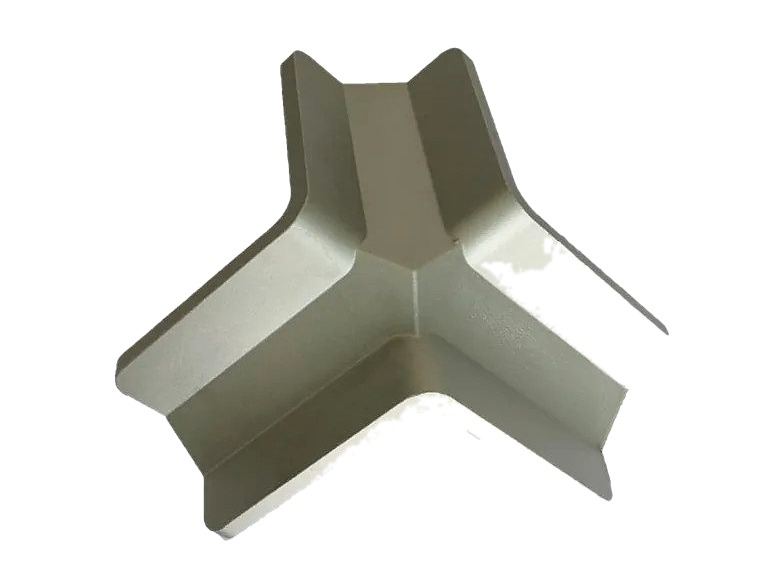
Cast-part examples
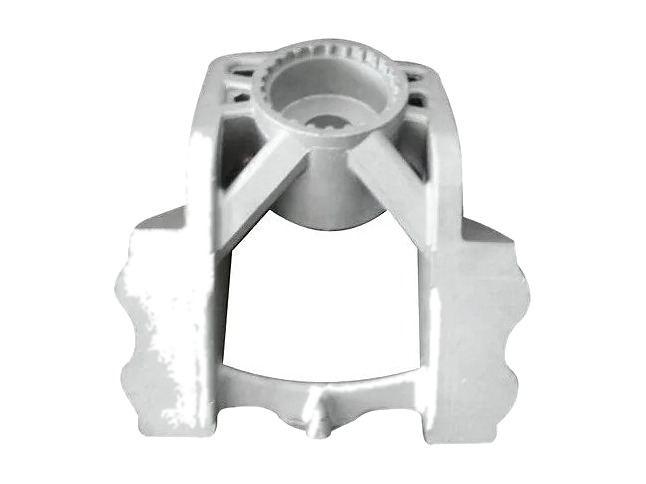
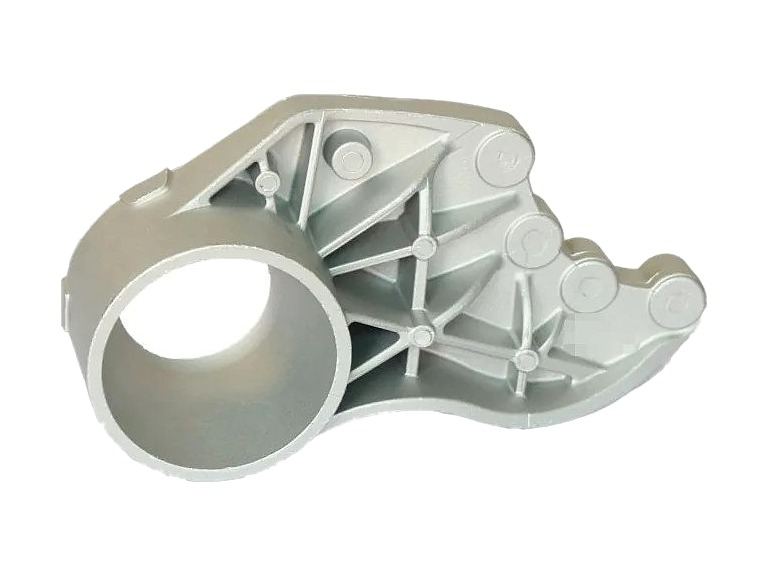
These are examples of aluminum parts made at Bohua. Customer logos and part numbers are masked. Your bracket's load requirements and validation plan must be defined in its RFQ.
Send the suspension bracket RFQ
Provide a revision-controlled 2D PDF and 3D model with the technical and delivery requirements above. If your drawing requires a confidentiality agreement, identify that requirement before sharing it.
Include your contact details and preferred reply channel. Use the casting drawing requirements checklist to organize the files. For a different component, browse aluminum casting applications.
Tell us about your part
Only your email address and requirement description are required.
Linda, Export Sales · linda@ningbobohua.com
You can also send your inquiry by email. Include your email address and requirement description, including what the part must do. Add your name, company, material, quantity, annual volume and preferred process if available.
Send drawings by email, or ask about an NDA before sharing drawings.