Ningbo Bohua Mechanical Parts Co., Ltd. · Linda, Export Sales · linda@ningbobohua.com · www.bohua-casting.com
Casting process
Aluminum Die Casting
Bohua has two die casting machines: one rated at 280 t and one at 450 t. These ratings are a starting point for equipment review. Send the part drawing, tooling details, material requirements and annual volume to assess fit. Part dimensions, wall thickness and acceptance requirements must be considered together.
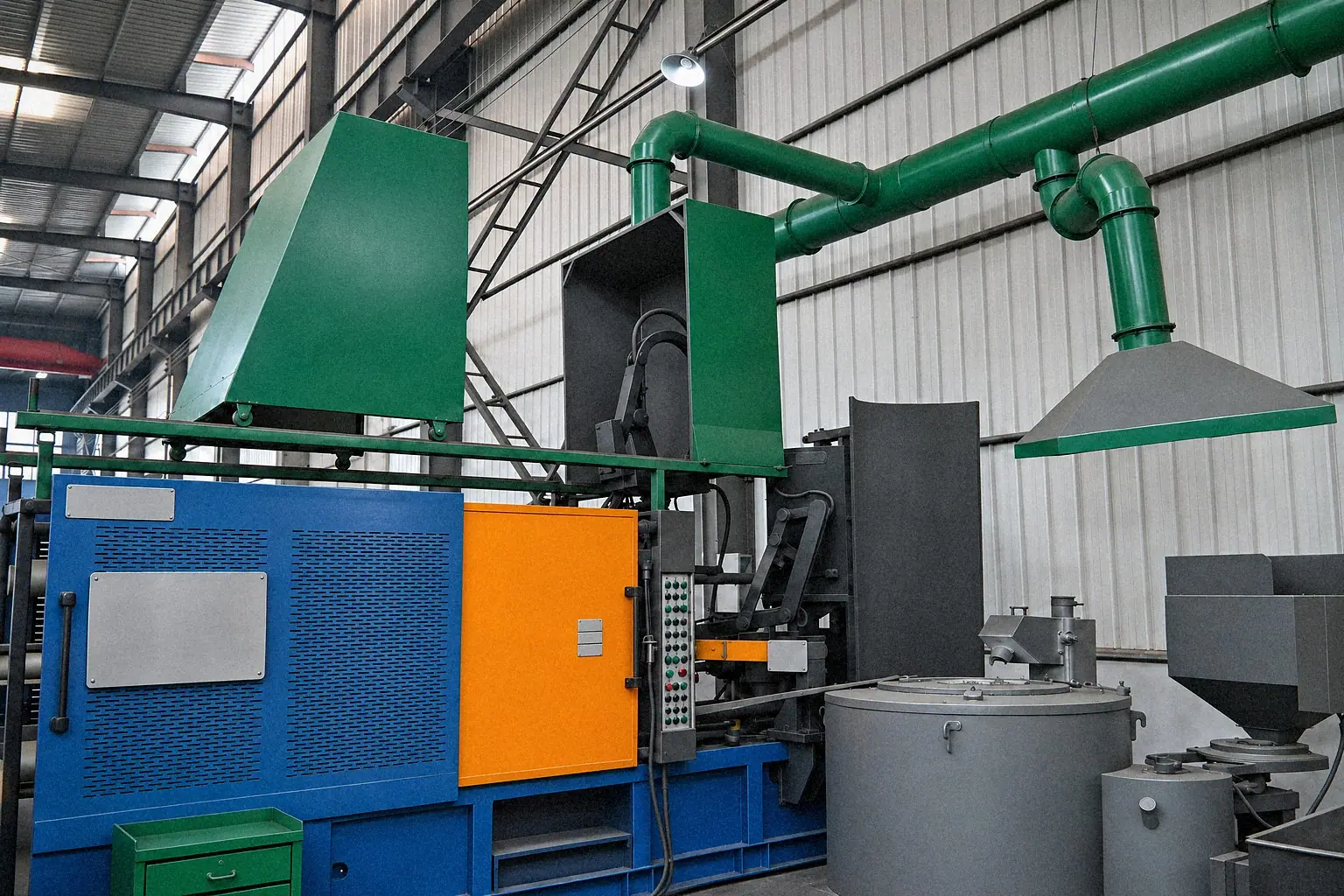
Die casting equipment at Bohua
At Bohua, die casting capability includes two machines rated at 280 t and 450 t.
At Bohua
Die-casting alloys follow the customer's specification, and ADC12 is a common choice.
| Machine rating (t) | Quantity (machines) |
|---|---|
| 280 | 1 |
| 450 | 1 |
Molds are designed and made in-house. The machining workshop includes 16 vertical machining centers and 22 CNC lathes.
We review part size and wall thickness together with machine fit. Provide the part geometry and tooling layout for equipment-fit review. For the wider manufacturing scope, see Bohua casting processes. To compare high-pressure die casting with low-pressure casting, see HPDC vs LPDC.
What the drawing needs to show
The die casting review needs both the finished part requirements and the proposed tooling scope.
In general, high-pressure die casting injects molten aluminum into a reusable steel die. Part geometry, die opening, filling and ejection must be considered together. Use the following checklist to provide the inputs for a review of your part’s design requirements.
| Review item | Buyer input | Decision to resolve |
|---|---|---|
| Machine and die fit | Part envelope, projected area, cavity count and existing die dimensions | Machine compatibility and tooling arrangement |
| Wall sections | Nominal walls, transitions, ribs and bosses | Filling and solidification requirements at local features |
| Die opening and ejection | Undercuts, draft, parting-line restrictions and permitted ejector marks | Slide requirements and access for release |
| Material | Alloy specification with edition, delivered condition and property requirements | Material and process suitability |
| Production demand | Sample, annual and expected lifetime quantities | Tooling scope and production planning |
| Surface condition | Machined faces, visible surfaces, coating specification and acceptance sample requirements | Finishing scope and appearance acceptance |
If your drawing specifies ADC12, the ADC12 material guide and RFQ questions provide background for the material review. The drawing's alloy requirement must be assessed for the proposed project.
If heat treatment or structural performance is required, state it before selecting the route. Use general data-sheet properties as reference information, then specify how the finished die casting’s required properties will be verified.
For a comparison with gravity permanent mold casting, see gravity casting versus die casting.
Plan machining and inspection together
Mark the functional features and define how they will be accepted after machining.
At Bohua
Inspection equipment includes X-ray systems and Hexagon Global S and NANO Metrology coordinate measuring machines. PPAP support is available up to Level 5. The required submission level and part-specific records belong in the RFQ.
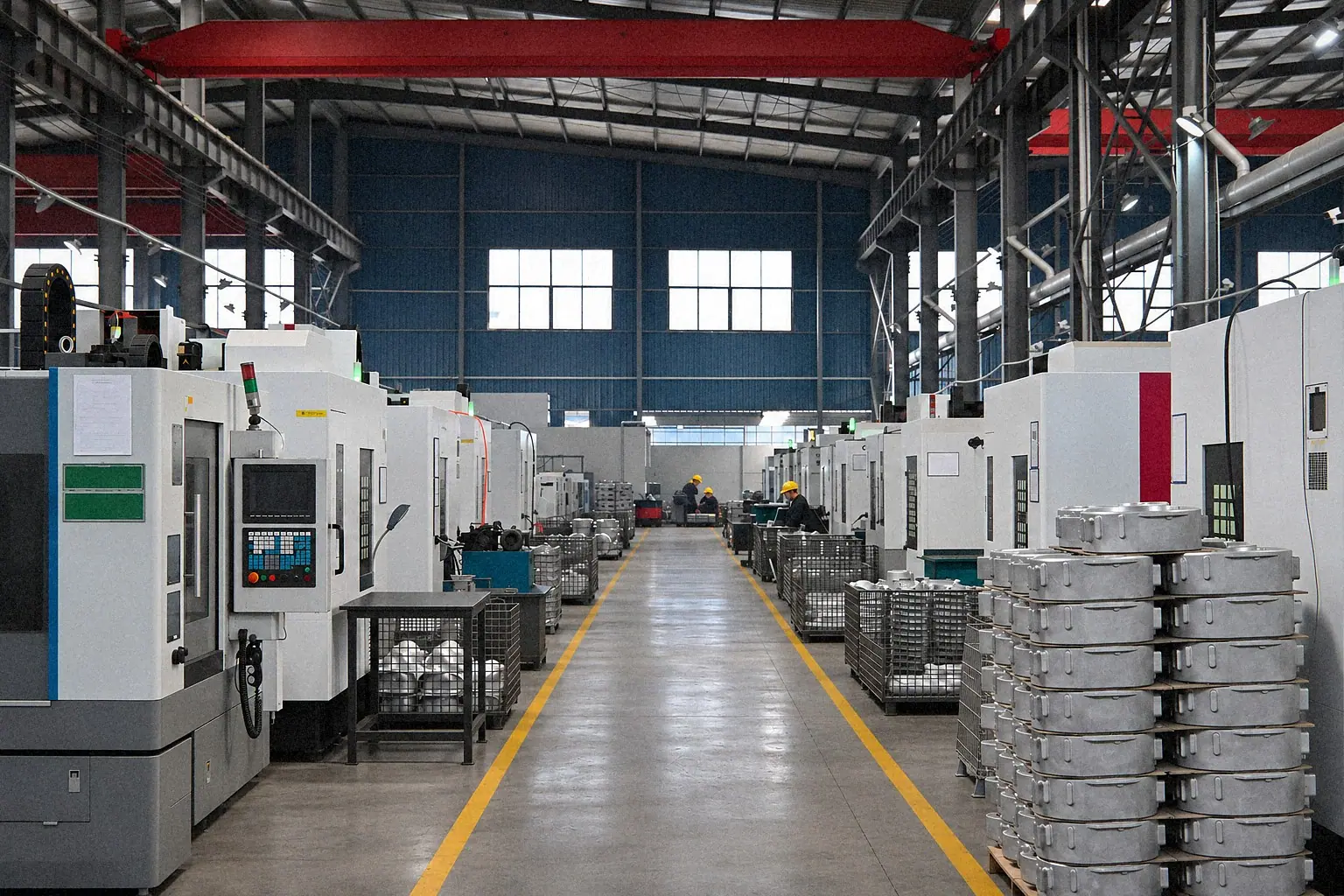
Identify datum features, bores, threaded connections and sealing surfaces. Specify which dimensions apply to the casting and which apply to the machined part. Mark any internal-inspection zones, sampling requirements and acceptance criteria.
For a pressure boundary, specify the test method, pressure, hold time and acceptance requirement. Agree the validation checks for your part, then review its inspection results against the acceptance requirements.
Use the casting and CNC machining scope and the die casting defect acceptance checklist to define the delivered condition.
Send a complete die casting RFQ
A useful RFQ combines the drawing revision, production demand and acceptance requirements.
- Define the part. Send the released 2D drawing and 3D model, alloy specification and required delivered condition.
- Describe the tooling. State whether the project needs a new die or uses an existing die. Include ownership, condition, cavity count and available tool drawings.
- Set the supply scope. List sample and annual quantities, machining, finishing, required reports and the requested delivery schedule.
Submit a die casting RFQ with these files and requirements.
Send a drawing for a die casting review
Include annual volume, alloy requirements, existing tooling details and the finished-part acceptance criteria. Not sure which process fits? Tell us what the part must do. In a free drawing review, our engineers recommend a process and suggest design changes where needed.
Send your drawing →