Ningbo Bohua Mechanical Parts Co., Ltd. · Linda, Export Sales · linda@ningbobohua.com · www.bohua-casting.com
Application
Pressure-Tight Aluminum Castings with Controlled Testing
Bohua makes aluminum castings and uses air-under-water immersion testing at 3 bar or more. Suitability for a pressure-tight part depends on its drawing, manufacturing route, sealing features, and agreed test conditions. Send the pressure-boundary drawing, alloy, machining scope, annual volume, and acceptance requirements before tooling is defined. Bohua's quality management system is certified to IATF 16949:2016 by NQA.
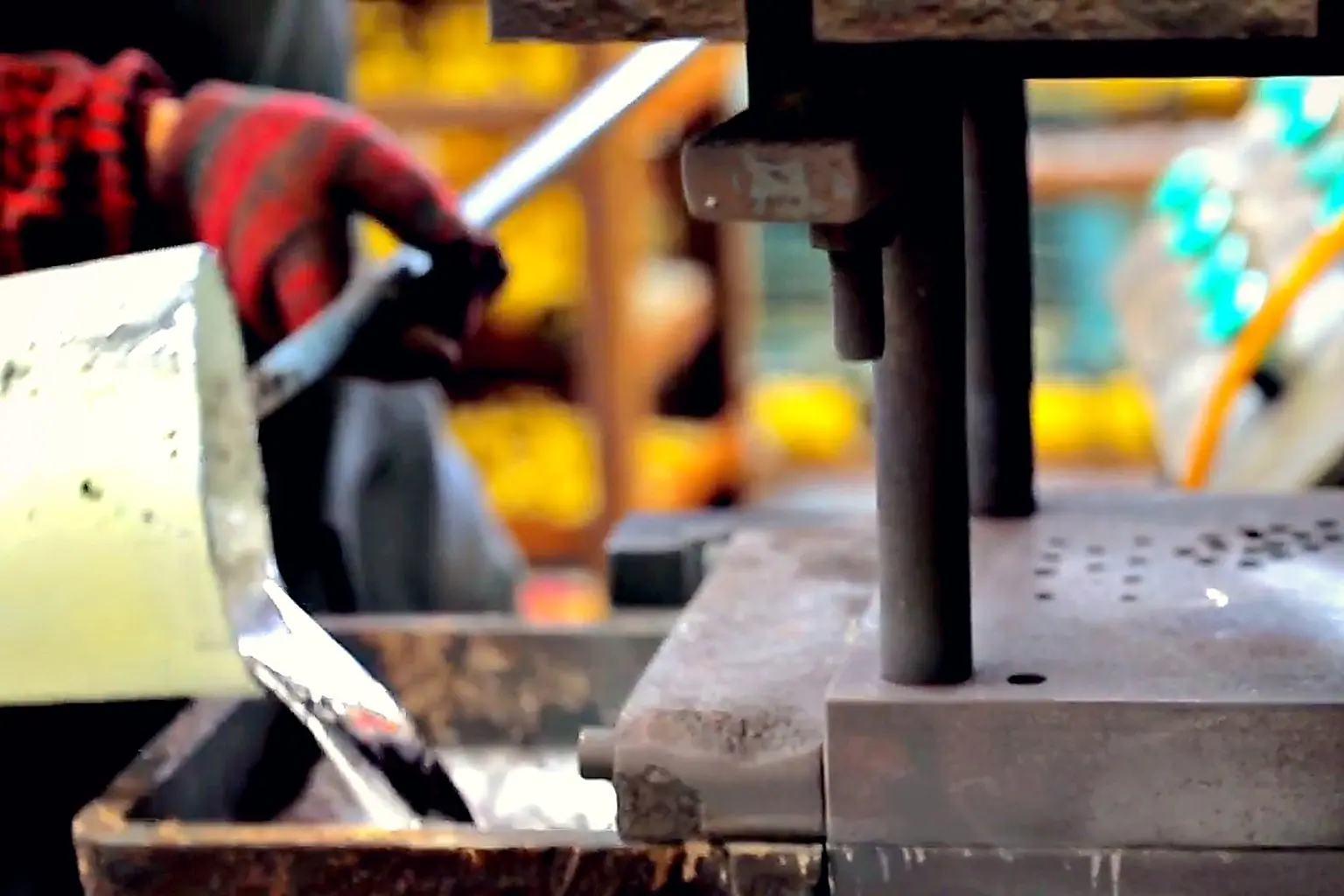
Manufacturing scope for pressure-tight parts
Bohua combines casting, machining, and immersion testing at its Ningbo site. Send the pressure boundary on your drawing so we can review the casting route, machined interfaces, and acceptance requirements together.
At Bohua
| Operation | Available scope | Project input |
|---|---|---|
| Gravity and tilt-pour casting (machines) | 32 tilt-pour machines and 10 upright gravity casting machines | Wall sections, internal passages, sealing interfaces, and tooling requirements |
| Material and heat treatment | A356 and ZL114 for gravity and tilt-pour casting; in-house T5/T6 heat treatment | Specified alloy, delivered condition, and material acceptance requirements |
| Low-pressure casting | In-house since 2014 | Drawing-specific process suitability and sample acceptance |
| Machining (machines) | 16 vertical machining centers and 22 CNC lathes | Datums, machining allowance, ports, bores, and sealing surfaces |
| Pressure-tightness test (bar) | Air-under-water immersion, 3 bar or more | Pressure basis, test stage, temperature, timing, sampling, and visual acceptance |
Review the tilt-pour gravity casting capabilities and low-pressure casting capabilities for process scope. Select the route against the drawing and approval requirements.
Identify the sealing features before tooling
Mark the pressure boundary and the final machined features on the drawing. A cavity wall, a machined sealing face, and an assembled joint require different checks.
- Identify connected passages, isolated cavities, ports, and temporary sealing locations.
- Mark sealing faces, gasket lands, grooves, bores, threads, and the required datum scheme.
- Show wall transitions and machining allowance near the pressure boundary.
- Specify the manufacturing state to be accepted, including heat treatment, final machining, cleaning, and finishing.
- For an existing part or transferred tool, include the controlled revision, existing acceptance rules, and relevant defect or inspection evidence.
Bohua has in-house CNC machining. See the casting and CNC machining scope for the machining route.
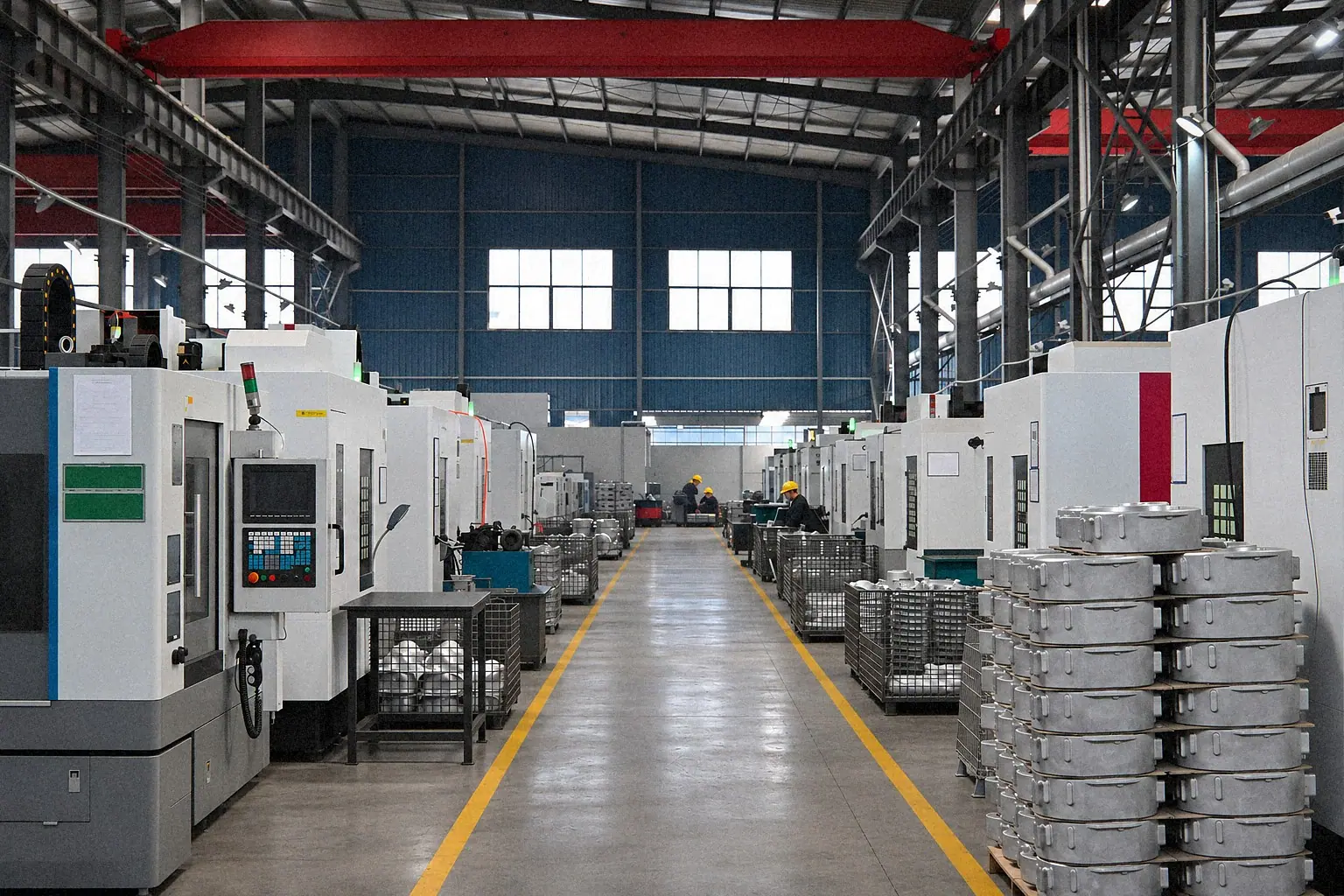
For a cooling passage project, use the coolant water outlet manufacturing and RFQ guide. Mark your cooling passages and interfaces so we can review suitability for your drawing.
Immersion test scope and acceptance
Bohua uses air-under-water immersion testing at 3 bar or more. The project must define the actual pressure and its basis, test medium, hold and observation times, temperature conditions, sampling, and pass/fail rule.
The stated pressure is a test capability statement. It is not a universal service-pressure rating, an unlimited maximum pressure, or a preset acceptance condition for every part. Confirm compatibility with the part and fixture during drawing review.
Define which cavities are pressurized and which surfaces are observed. Define separate acceptance checks for the casting body and the final assembled pump, valve, or cooling system. Record which boundary each test covers. Use the immersion leak-test specification guide for the complete acceptance checklist.
Bohua also has Unicomp UNC-160 and Y.MU2000-D X-ray systems and Hexagon Global S and NANO Metrology CMMs. See inspection equipment and quality records to define the separate internal and dimensional checks.
Agree on impregnation before it is used
At Bohua, impregnation is used only with customer approval and is performed by a qualified outside provider. Record that approval in the order scope before including impregnation in the process route.
State whether impregnation is prohibited or permitted under written approval. If permitted, define the treatment record, lot identification, required retest, and release decision. See the impregnation approval and RFQ policy.
Send the drawing and the acceptance requirement together
A useful RFQ identifies what must be manufactured and how the delivered condition will be accepted. Separate the required tests and records from optional evidence.
- 2D drawing and 3D model with revision, pressure boundary, sealing features, and machining datums.
- Alloy, heat-treatment condition, service medium, service pressure, and temperature requirements.
- Immersion test requirement, required manufacturing stage, sampling plan, and report format.
- Annual volume, sample quantity, tooling status, target milestones, destination, and packaging requirements for critical surfaces.
- Material and dimensional records, traceability level, and any required PPAP submission.
Bohua supports PPAP documentation up to Level 5 according to project requirements. Orders are quoted by annual volume; small batches are negotiable.
Send your package through the pressure-tight casting quotation request.
Send your drawing and leak-test requirements
Include the drawing revision, material, annual volume, test pressure, hold time, acceptance criterion and required records. Bohua tests by air-under-water immersion at 3 bar or more. Not sure which process fits? Tell us what the part must do. In a free drawing review, our engineers recommend a process and suggest design changes where needed.
Send your drawing →