Ningbo Bohua Mechanical Parts Co., Ltd. · Linda, Export Sales · linda@ningbobohua.com · www.bohua-casting.com
Engineering guide
Impregnation Policy for Pressure-Tight Aluminum Casting RFQs
Impregnation at Bohua is performed only with customer consent and is carried out by a qualified subcontractor. Your RFQ should state whether treatment is prohibited, an approved production operation, or repair only. Define the approval, retest, and traceability requirements before comparing manufacturing routes for a pressure-tight casting.
On this page
- Define permission before quoting a pressure-tight casting
- Choose a policy that keeps treatment visible
- Check sealing, dimensions, material and structure separately
- Approve the sequence and retest before releasing parts
- Request records that connect approval, treatment, and retest
- Send the policy with the drawing package
Define permission before quoting a pressure-tight casting
At Bohua, impregnation is performed only with customer consent and is carried out by a qualified subcontractor. State whether your casting must pass without impregnation, may follow an approved impregnation route, or may be treated only under a repair approval.
At Bohua
- Impregnation requires customer consent and a qualified subcontractor.
- Leak testing uses air-under-water immersion at 3 bar or more. The project specification must define the actual pressure, duration, test stage, and acceptance rule.
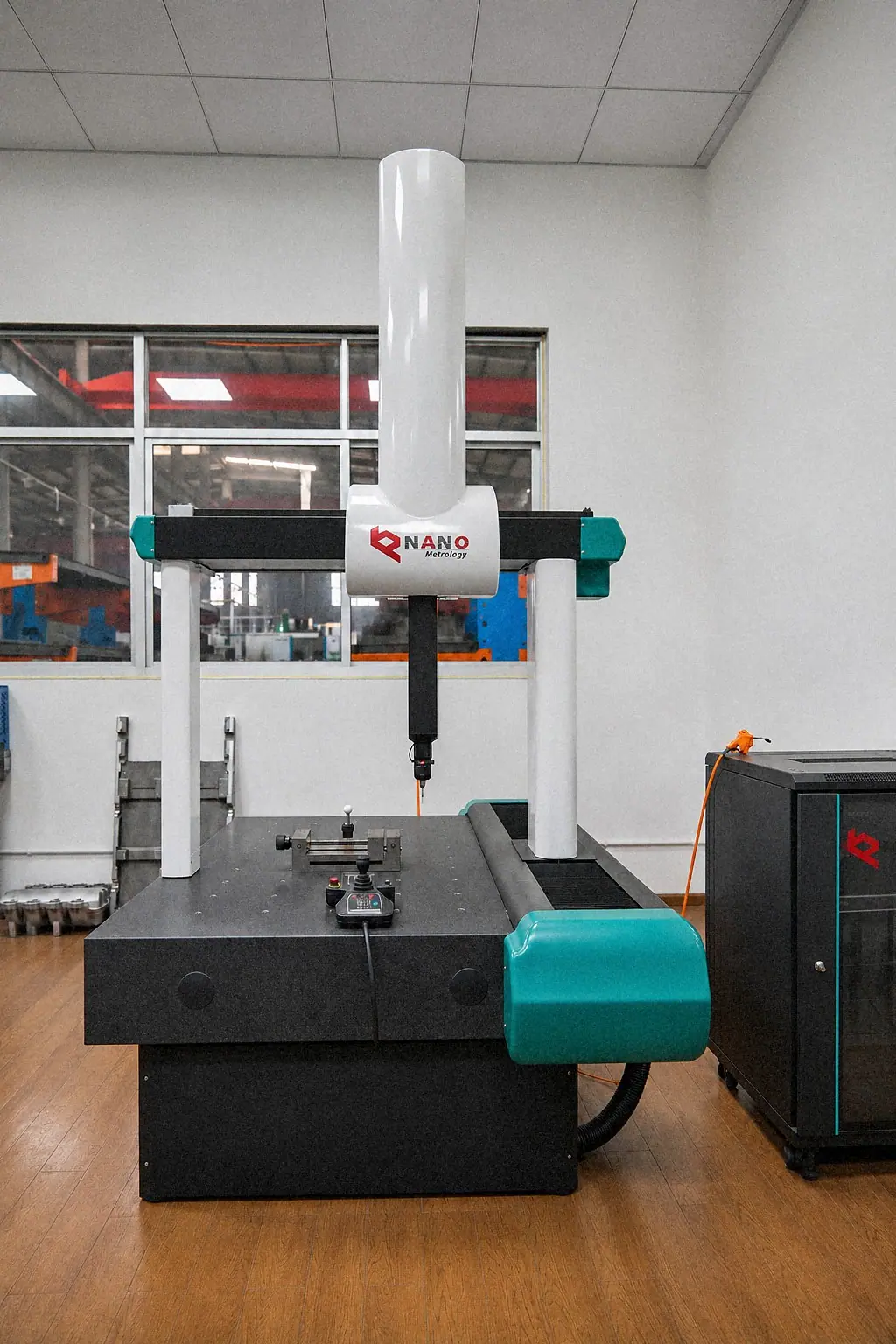
- Dimensional inspection equipment includes Hexagon Global S and NANO Metrology CMMs.
- Casting, core making, tooling, T5/T6 heat treatment, CNC machining, and inspection share a site of about 16,300 m².
Send your leak-test requirements so we can agree the inspection scope and records for your part. Define the sealed cavity and the condition in which the part must pass.
Choose a policy that keeps treatment visible
The RFQ should state one approval route and identify who may authorize a change to that route.
| Policy | Required instruction | Evidence to request |
|---|---|---|
| Not permitted | Require acceptance without impregnation. Any exception needs written customer approval before treatment. | Untreated leak-test results and disposition of failures. |
| Approved production operation | Authorize the operation, its place in the route, the sealant specification, and the parts to be treated. | Process-batch record, cleaning record if required, and final retest results. |
| Repair only | Require a repair approval for identified parts or lots before treatment. | First-pass results, quantity repaired, authorization, and post-treatment retest results. |
| No route authorized yet | Request separate proposed routes for review. Do not authorize treatment by accepting an unstated assumption. | Written route approval before any impregnation. |
For repair-only work, record the untreated result separately from the final result. Otherwise, a final pass can conceal a change in the number of parts needing treatment.
Check sealing, dimensions, material and structure separately
Vacuum impregnation can seal porosity-related leak paths. Review dimensional, material and structural results against their own acceptance requirements alongside the final leak test.
Specify the approved sealant and its compatibility with the service fluid, temperature, cleaning process, and later finishing steps. Confirm the sealant and process sequence for your casting before approving treatment.
Technical background: Henkel impregnation overview, February 2024. Product selection and process approval remain specific to the application.
Keep internal-quality acceptance separate from permission to impregnate. See the casting porosity inspection and acceptance guide for that decision.
Approve the sequence and retest before releasing parts
Agree the treatment stage and the required final test before sending parts for impregnation.
- Identify the acceptance boundary. Mark sealed cavities, cross-port isolation requirements, sealing faces, and the delivered condition on the drawing.
- Approve the proposed route. Identify the subcontracted operation, sealant specification, cleaning requirements, and consent record. Define any restrictions on repeat treatment.
- Record the starting condition. Where the policy requires a pre-treatment test, retain its result and the quantity tested. Identify parts or lots sent for treatment.
- Link the subcontractor record. Request the treatment batch, date, process reference, and cleaning or drying confirmation required by the approved route.
- Retest and review. Apply the agreed final test and sampling plan. Segregate failures for disposition. Do not infer permission for another treatment cycle from the first approval.
Machining can expose previously enclosed porosity. State whether the acceptance test follows final machining and whether a later operation requires another test. Use the pressure-tight casting leak-test specification guide to define the test conditions.

At Bohua
When Bohua tests a submerged part for leakage, escaping air is identified by bubbles in the water.
Bohua builds the leak-test fixtures used for this immersion method.
If your approved route calls for an immersion retest after impregnation, specify the fixture boundary, pressure, hold time and acceptance rule before treatment.
Request records that connect approval, treatment, and retest
A treatment record should let the buyer trace each approved lot to its final acceptance result.
| Record group | Fields to specify |
|---|---|
| Authorization | Drawing revision, approved route, approving role, consent reference, and permitted treatment scope. |
| Lot identity | Casting lot, machining lot where applicable, treatment batch, and quantity treated. |
| Before treatment | Test stage, method, result, and quantity tested when required by the policy. |
| Subcontracted operation | Process reference, approved sealant, treatment date, and required cleaning records. |
| Final acceptance | Retest conditions, result, inspection frequency, failed quantity, and release disposition. |
Dimensional records remain separate from leak-test records. Use the CMM equipment shown below for dimensional inspection, and request separate treatment and leak-test records for the same part or lot.
At Bohua
The customer’s specification determines whether Bohua leak-tests every part or uses sampling.
Record the agreed coverage and quantity tested with the treatment lot and retest results; do not infer coverage from the impregnation record alone.
Send the policy with the drawing package
Send the drawing revision, alloy, temper, annual volume, pressure boundary, and impregnation policy with the RFQ.
Include machining and finishing stages, test pressure with units, hold time with units, acceptance rule, inspection frequency, required records, and the approval owner. For a coolant connection, use the coolant water outlet manufacturing and RFQ requirements to describe the component scope.
Suggested RFQ instruction: Impregnation requires our written consent before treatment. Identify the proposed qualified subcontractor, approved process, traceability fields, cleaning scope, and retest plan. Keep untreated and post-treatment results separate where pre-treatment testing is required. Report unresolved failures for disposition before release.
Review Bohua's gravity casting manufacturing scope, then send the drawing and approval requirements through the aluminum casting quotation request.
Send your drawing and impregnation policy
Submit the RFQ details, then email your drawing for a structured quote review. Not sure which process fits? Tell us what the part must do. In a free drawing review, our engineers recommend a process and suggest design changes where needed.
Send your drawing →