Ningbo Bohua Mechanical Parts Co., Ltd. · Linda, Export Sales · linda@ningbobohua.com · www.bohua-casting.com
Industry
Automotive Castings
Bohua reviews automotive aluminum casting RFQs for brackets, housings, manifolds, thermal parts, and other drawing-defined components. Process fit, material, heat treatment, machining, inspection, and PPAP scope are established from the project requirements. Send your drawing and required approval records so we can review the manufacturing scope and evidence for your component.
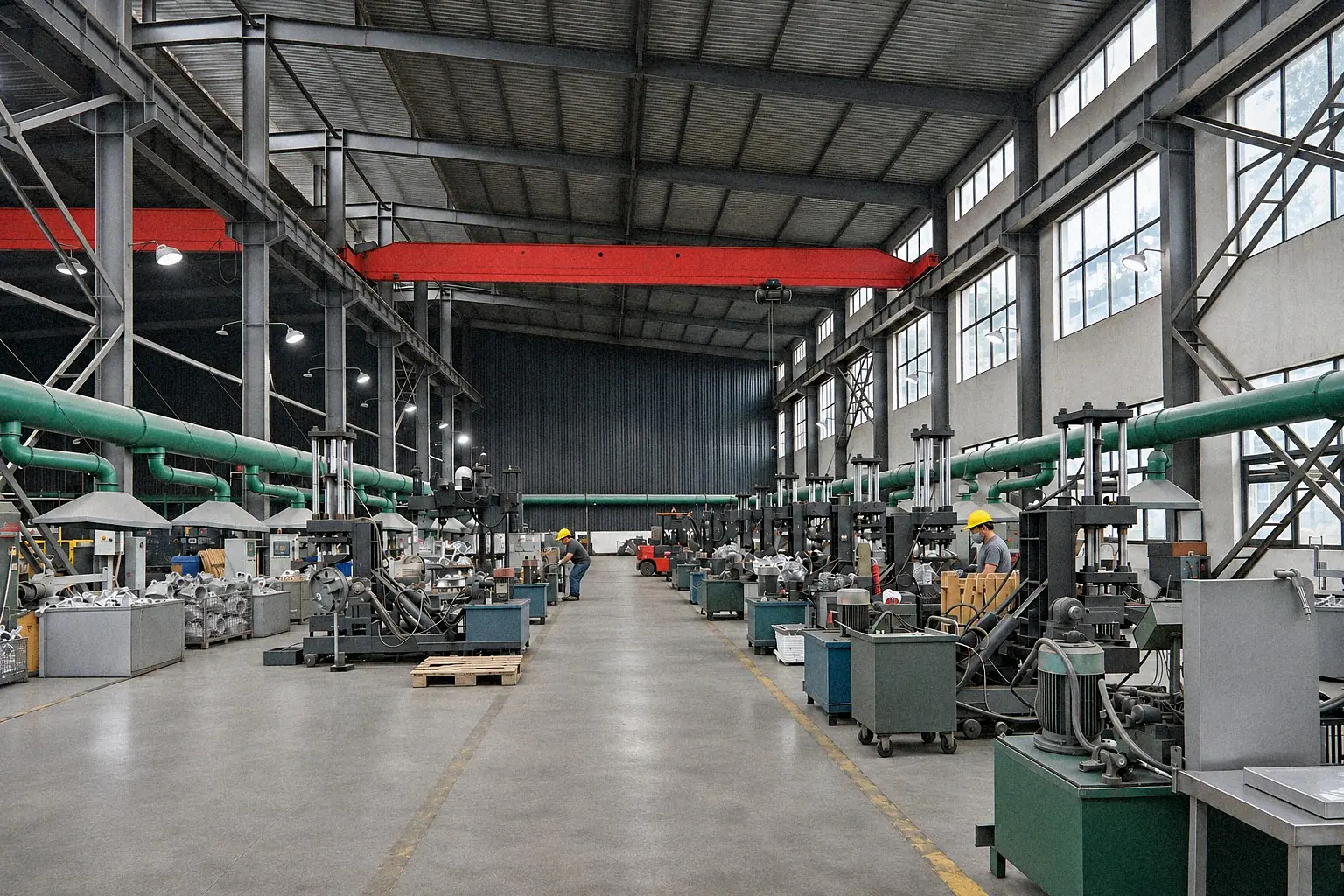
Automotive casting scope starts with the drawing
Bohua can review automotive RFQs for structural brackets, housings, intake and thermal parts, and other custom aluminum castings. Send the drawing and acceptance requirements. We will review material, process, tooling, heat treatment, machining, and inspection together before confirming a manufacturing route for your part.
- Casting experience
- Since 1994
- Tilt-pour machines
- 32
- Vertical gravity machines
- 10
- Vertical machining centers
- 16
- PPAP capability
- Up to Level 5
- Site area
- About 16,300 m²
Confirmed in-house scope
Bohua's main processes are gravity casting and tilt-pour gravity casting. A356 and ZL114 are the confirmed alloys for those routes. Low-pressure casting has been in-house since 2014, sand casting is done in-house, and two die casting machines are available at 280 t and 450 t. Process selection remains drawing-specific.
The gravity casting capability page covers Bohua's equipment and process limits. For a drawing-led decision across all routes, use the casting process selection guide.


Part families and the inputs that control feasibility
Part family helps organize an RFQ, but functional requirements decide the route. Buyers should identify the load, pressure, thermal, sealing, and assembly conditions that matter on the finished component.
| Part family | Inputs to mark on the drawing | Manufacturing review |
|---|---|---|
| Structural brackets | Load interfaces, bores, mounting faces, datums, alloy, temper, and critical characteristics | Process fit, tooling direction, heat treatment, machining access, and dimensional evidence |
| Motor and drive housings | Bearing features, sealing faces, coolant boundaries, wall distribution, and datum relationships | Core strategy, machining sequence, fixture references, CMM, and pressure-test feasibility |
| Intake and thermal parts | Internal passages, ports, flange faces, threads, cleanliness, and test requirements | Core making, casting route, machining scope, inspection, and test boundary |
| Covers and enclosures | Sealing perimeter, bosses, ribs, cosmetic zones, coating, and assembly interfaces | Route selection, machining, surface requirements, and dimensional controls |
For a bracket-specific package, use the automotive suspension bracket RFQ guide. The intake manifold manufacturing page and coolant water outlet RFQ page list the passage, flange and test inputs to include for those components.
Quality-system and submission scope
Automotive approval evidence must be specified in the RFQ and control plan. Identify the characteristics to inspect, the inspection frequency and the records you need. We can then review the inspection and submission scope against your approval requirements.
Evidence buyers can verify
Bohua operates under an NQA-issued IATF 16949:2016 certificate valid through November 20, 2027. PPAP documentation can be provided up to Level 5 according to project requirements. The inspection lab includes two coordinate measuring machines, two X-ray systems, an optical emission spectrometer, a vacuum hydrogen analyzer, mechanical-property equipment, hardness testers, a salt-spray chamber, a metallographic microscope, a roughness tester, and a handheld 3D scanner.
Bohua's confirmed general capability is CT8 for as-cast tolerances and ±0.02 mm for critical dimensions after machining. Specify the manufacturing condition for each toleranced feature. We will review feature geometry, datums, fixtures, and the agreed inspection method before confirming feasibility for that feature.
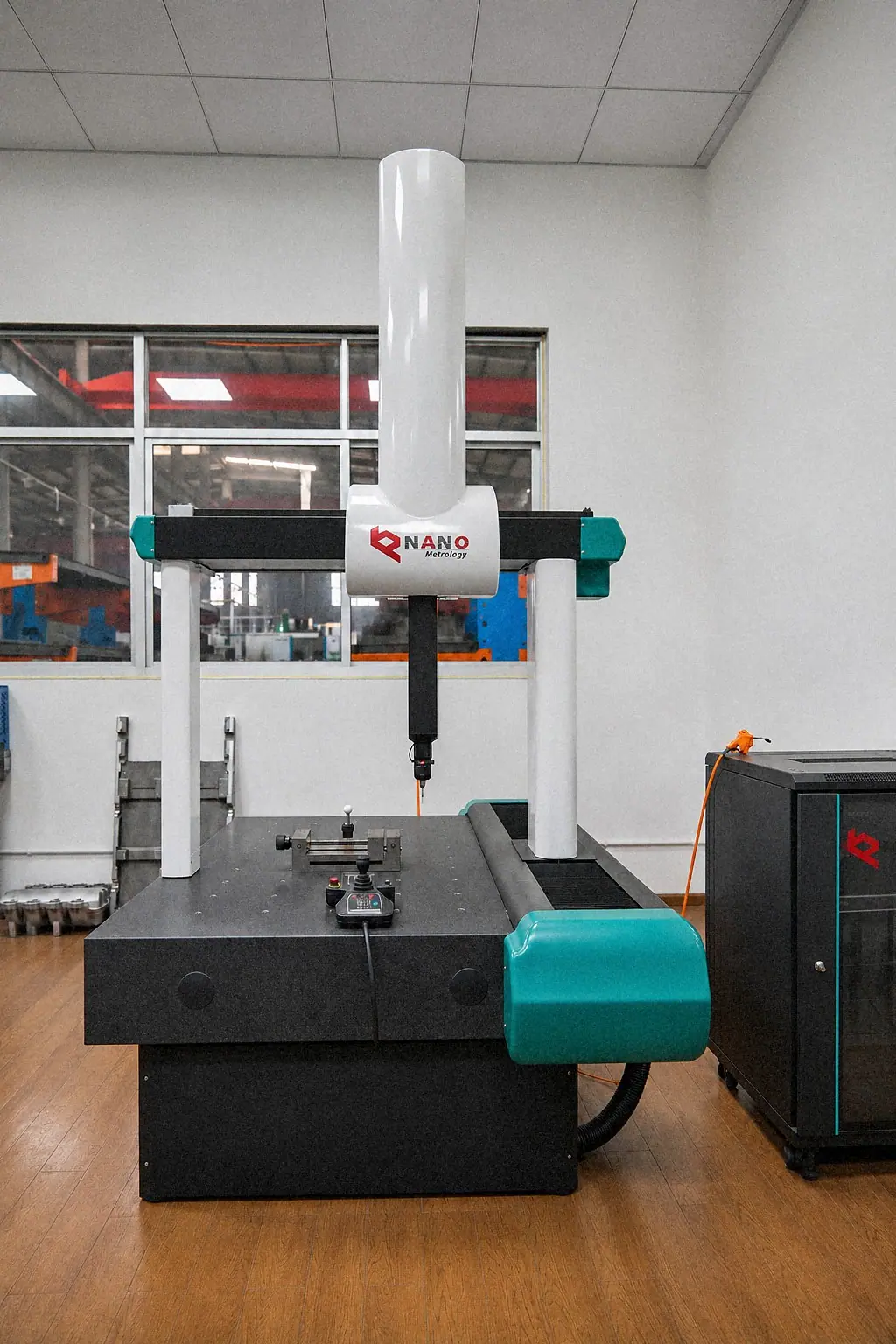
Review the full quality control and inspection capability before assigning records. The RFQ should state the requested PPAP level, customer-specific requirements, critical-characteristic list, measurement method, sampling plan, report format, retention needs, and change-control expectations.
A quality-system certificate does not approve the part
Use the certificate to screen the quality system. Approve the component from its drawing, material records, dimensional reports, and the validation the buyer owns.
At Bohua
Bohua does not hold a separate ISO 9001 certificate. The ISO 9001 requirements are included in the NQA-issued IATF 16949:2016 certificate.
When the program requires it, ask for traceability from the material lot through the casting batch and the heat-treatment load to the finished-part identification. For structural brackets, machined datums often decide the quote: bores, mounting faces, and bolt patterns. Send those parts through the suspension bracket RFQ. Gearbox and transmission housings use the gearbox housing review. Compressor-side housings are reviewed with the other parts on the application directory.
Tooling, heat treatment, and CNC machining
Bohua can keep mold work, T5/T6 heat treatment, CNC machining, and inspection on its Ningbo site. This allows one technical review to connect casting allowances with finished-feature datums and approval evidence.
- Tooling: molds are designed and made in-house; UG and SolidWorks are used for design and AnyCasting for casting simulation.
- Timing: the confirmed range from drawing confirmation to first article is 5–6 weeks.
- Heat treatment: T5 and T6 are available in-house, with the required temper defined by the drawing and project specification.
- Machining: equipment includes 16 vertical machining centers, 2 CNC engraving and milling machines, 22 CNC lathes, and 2 large lathes.
For cast-plus-machined scope, review the aluminum casting and CNC machining capability. The machining list should distinguish rough and finish operations and identify which datums control both the fixture and the report.
What to send with an automotive casting RFQ
A complete RFQ defines the part, the release assumptions, and the evidence required for approval. Send enough information for all suppliers to quote the same finished scope.
- Revision-controlled files. Provide 2D PDF and 3D STEP or IGES files, assembly context where useful, and the current engineering change level.
- Material and process requirements. State the alloy, temper, governing specification, restricted processes, and required material records.
- Critical characteristics. Mark datums, fits, sealing faces, pressure boundaries, load interfaces, threads, and cosmetic or coating zones.
- Finished scope. List heat treatment, machining, cleaning, coating, assembly, pressure testing, packaging, and operations supplied elsewhere.
- Approval evidence. Define PPAP level, dimensional report, material evidence, internal-quality checks, functional tests, sampling, and customer-specific forms.
- Commercial inputs. Provide annual volume, release quantities, tooling ownership, destination, packaging constraints, and required approval schedule.
Send the completed package through the automotive casting RFQ channel. Order quantities are quoted by annual volume, and small batches are negotiable.
Further reading for automotive programs
For alloy selection and heat treatment on vehicle parts, read A356 gravity casting for automotive applications. Battery enclosures set different sealing and inspection requirements; see EV battery pack housing casting requirements.
Send an automotive casting RFQ for review
Include current drawings, material and process requirements, critical characteristics, annual volume, approval level, and required records. Not sure which process fits? Tell us what the part must do. In a free drawing review, our engineers recommend a process and suggest design changes where needed.
Send your drawing →