Ningbo Bohua Mechanical Parts Co., Ltd. · Linda, Export Sales · linda@ningbobohua.com · www.bohua-casting.com
Engineering resource
Casting Process Selection Guide
Select an aluminum casting process from the drawing, alloy, wall sections, part size, annual volume, functional risks, machining exposure, and required evidence. Gravity, low-pressure, die, and sand casting can overlap; compare each candidate against your part requirements. Use the matrix to screen options, then confirm the route through a drawing review before tooling.
On this page
- Choose from constraints, not from a process name
- Use a screening matrix before requesting a route recommendation
- Screen against Bohua's actual in-house routes
- Open the process page for route-specific limits
- For leak-sensitive parts, compare the complete test boundary
- Send the inputs needed to confirm the route
Choose from constraints, not from a process name
The right casting route is the one that can make the controlled geometry and material state, support the annual volume, survive downstream machining, and provide the required acceptance evidence. More than one route may remain feasible until the drawing, tooling concept, and inspection plan are reviewed together.
- Geometry: part mass, envelope, wall range, ribs, bosses, undercuts, internal passages, draft, and parting-line limits.
- Function: structural load, pressure or fluid boundary, bearing alignment, thermal duty, sealing, and cosmetic zones.
- Material state: alloy specification, temper, heat treatment, permitted equivalents, and property evidence.
- Demand: annual volume, program stage, ramp pattern, tooling commitment, and expected program life.
- Finished scope: machining, treatment, coating, assembly, cleaning, inspection, packing, and traceability records.
Do not compare process prices until every supplier is quoting the same drawing revision, finished-part boundary, inspection method, and approval records. Use the aluminum casting RFQ checklist to control those inputs.
| Your question | What to send | What happens next |
|---|---|---|
| Which routes suit my geometry? | The drawing and model, part mass, envelope, wall range, and internal passages. | Send a process review request; we will review candidate routes against your geometry. |
| How do alloy and heat treatment affect the choice? | The full alloy specification, temper, property requirements, and permitted alternatives. | Use the material requirements guide to prepare the material conditions for route review. |
| How should I compare routes for a leak-sensitive part? | The pressure boundary, machined sealing features, test conditions, and acceptance criteria. | Use the leak-tight casting RFQ guide to define a common test basis for the candidate routes. |
| How do volume and finished scope affect the route? | Annual demand, ramp pattern, tooling status, machining, finishing, and required records. | Complete the casting RFQ checklist so routes can be compared on the same delivered scope. |
Use a screening matrix before requesting a route recommendation
Use this matrix to shortlist routes and identify the drawing questions to resolve before selecting one. Geometry, alloy, tooling, machining, and acceptance requirements can move a part from one candidate route to another.
| Route | Useful candidate conditions | Drawing questions | RFQ evidence questions |
|---|---|---|---|
| Gravity permanent mold | Reusable metal tooling, gravity filling, structural or fluid-handling parts, machined interfaces | Draft, wall transitions, feeding, cores, parting line, machining stock | Material state, dimensional layout, internal inspection zones, machining and functional tests |
| Tilt-pour gravity casting | Permanent-mold parts where controlled mold rotation is useful for the filling concept | Pour orientation, mold envelope, casting mass, sand cores, wall range, feeding | Same drawing-based acceptance as gravity casting, with the proposed tilt route identified |
| Low-pressure casting | Metal-mold parts where controlled low-pressure filling and solidification planning fit the geometry | Fill path, section changes, tooling concept, heat-treatment state, machining exposure | Process route, first-part plan, dimensional records, material evidence, functional tests |
| High-pressure die casting | Parts suited to rapid die filling, repeatable metal tooling, and thinner-wall geometry | Alloy compatibility, wall transitions, slides, ejection, trapped-gas risk, machining through cast skin | Process assumptions, dimensional evidence, internal-quality plan where required, machining and functional tests |
| Sand casting | Expendable molds, geometry needing sand cores, larger or lower-commitment tooling discussions | Mold and core layout, draft, section transitions, machining stock, surface and dimensional expectations | Material state, dimensional plan, surface acceptance, machining and functional tests |
Screen against Bohua's actual in-house routes
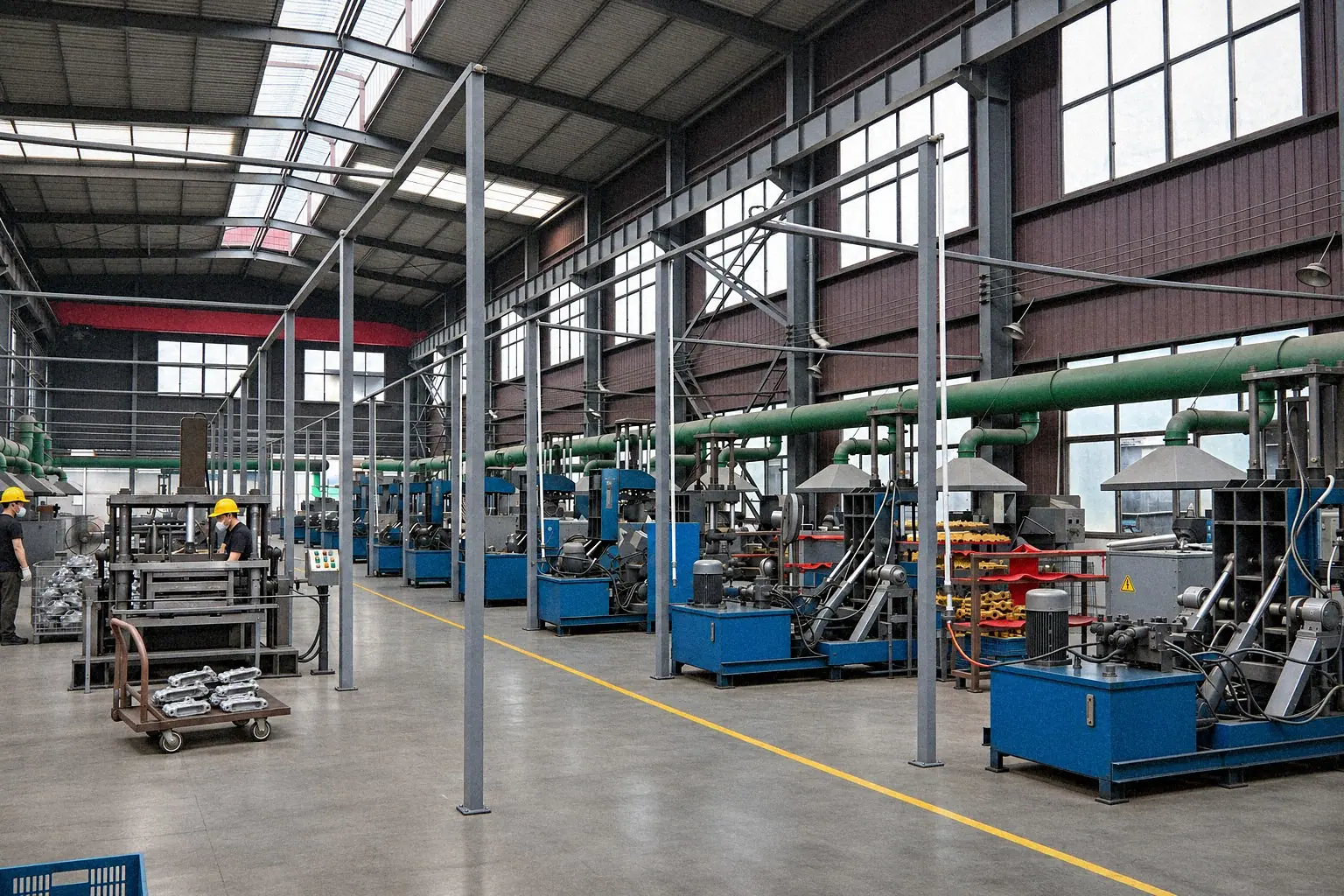
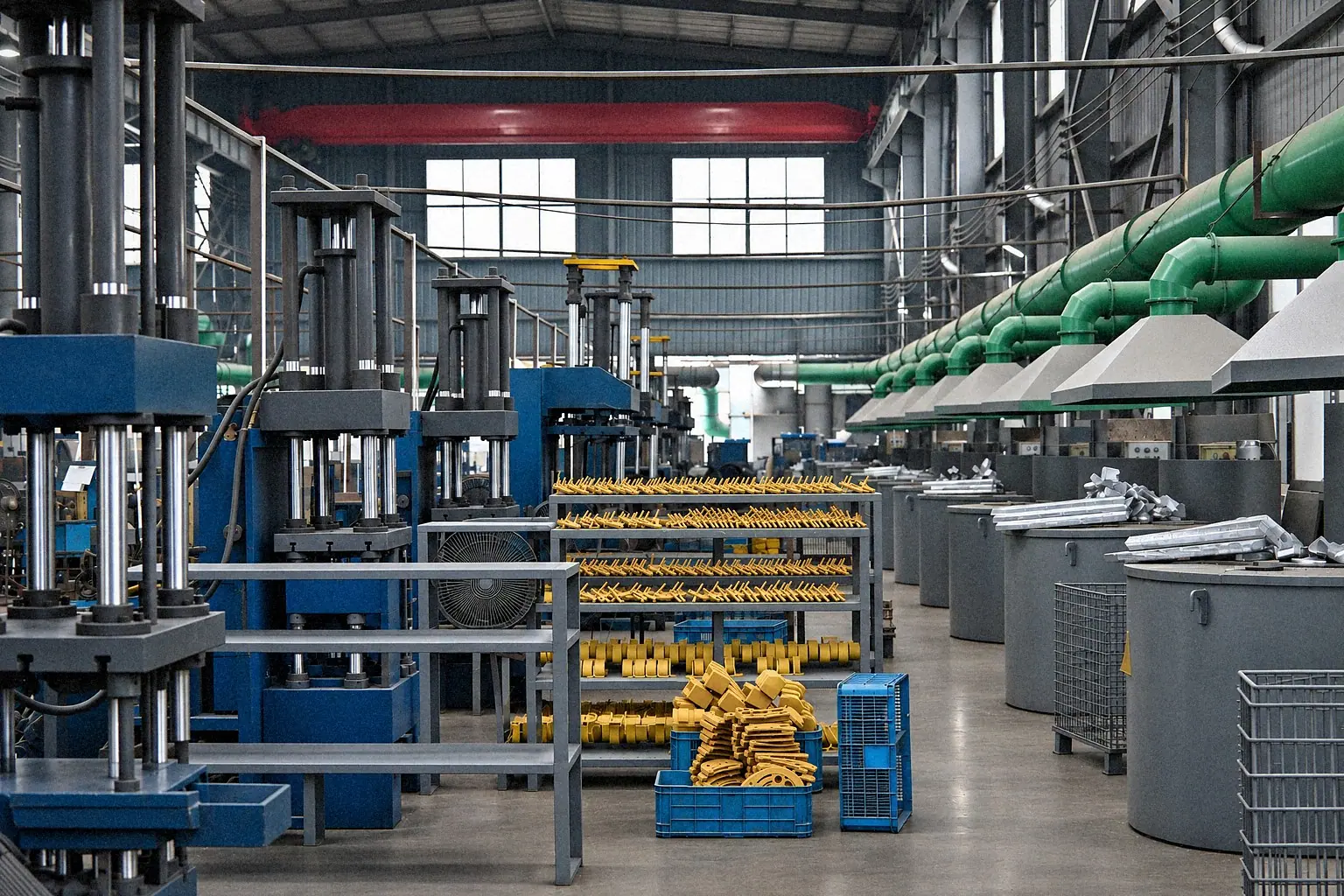
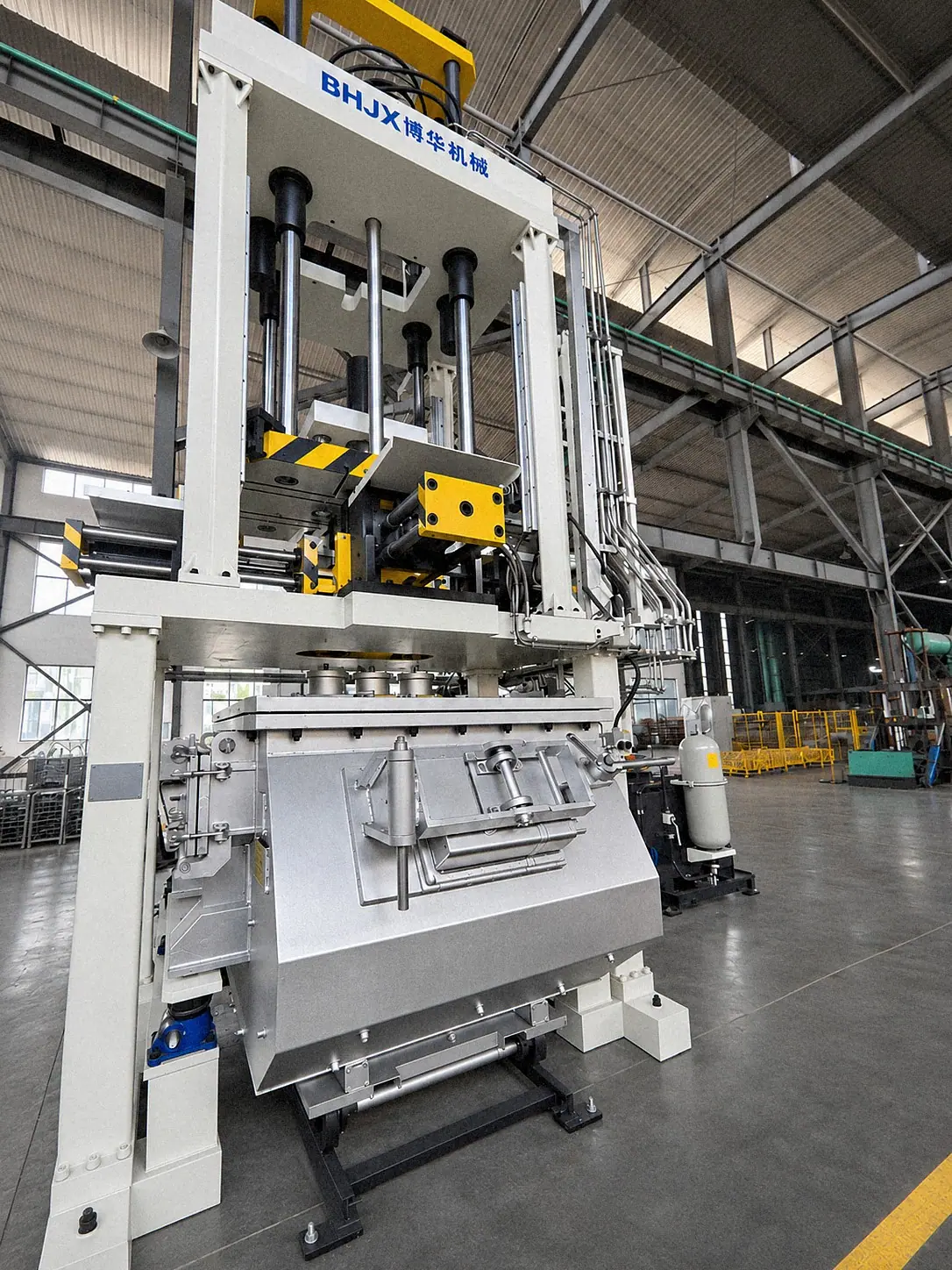
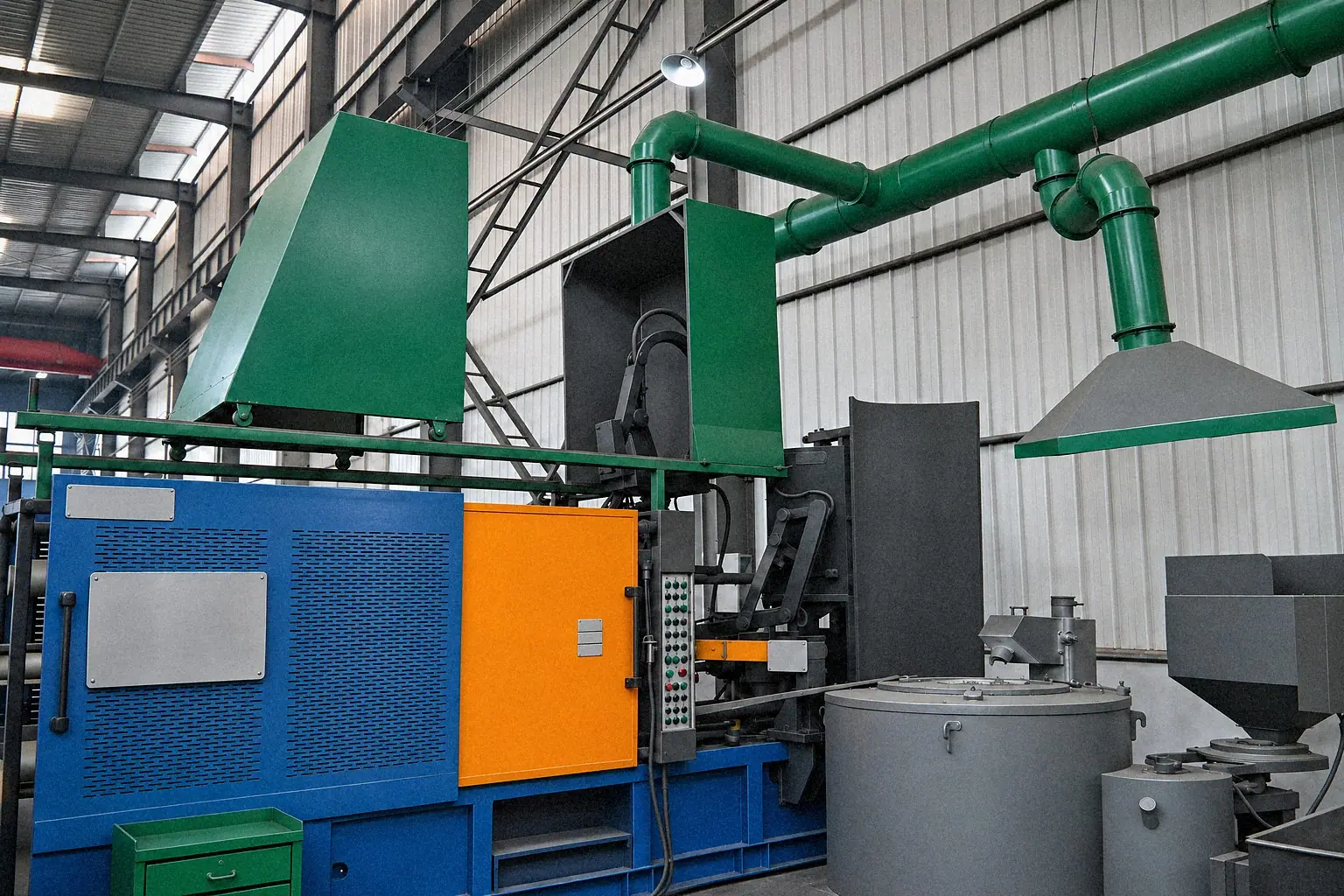
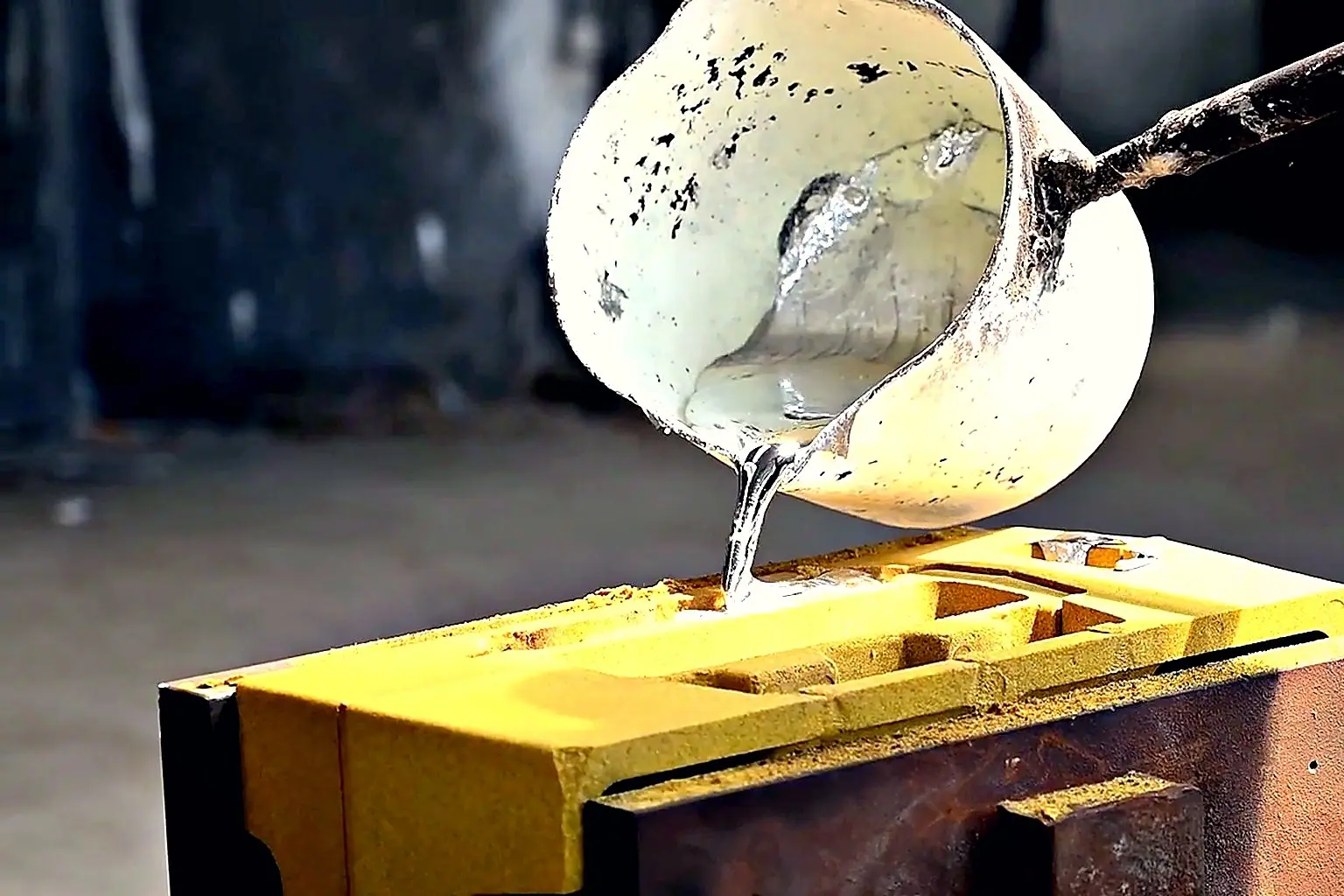
Bohua's primary processes are gravity casting and tilt pouring. Low-pressure casting and sand casting are also performed in-house, and the plant has two die casting machines.
- Tilt-pour machines
- 32
- Vertical gravity machines
- 10
- Low-pressure casting
- In-house since 2014
- Die casting machines
- 280 t and 450 t
At Bohua
Gravity and tilt-pour work uses A356 and ZL114. Ten hot-box core shooters support sand cores, including cores used for some tilt-pour parts. Mold design and manufacture are in-house, with UG and SolidWorks used for design and AnyCasting used for casting simulation.
Open the process page for route-specific limits
The matrix narrows candidates; the process pages document Bohua's equipment, material scope, and review inputs. Use them before assigning a route on the RFQ.
For an overview of all available routes, use the aluminum casting processes hub. For material selection, use the aluminum casting alloy guide rather than assuming one alloy transfers unchanged across processes.
For leak-sensitive parts, compare the complete test boundary
Choose the route together with the test plan for your pressure boundary. Compare the sealed cavity, alloy and temper, wall sections, machining exposure, sealing interfaces, test stage, acceptance threshold, sampling, records, and disposition rule under the same RFQ basis.
| Decision | What the RFQ must define |
|---|---|
| Pressure boundary | Controlled cavity map, operating medium, sealed interfaces, and drawing zones |
| Machining exposure | Ports, grooves, bores, sealing faces, machining stock, and final test stage |
| Test | Medium, pressure basis, duration or cycle, leakage acceptance, sampling, and record |
| Internal inspection | Zones, method, governing acceptance basis, sampling, and disposition |
| Impregnation | Allowed, prohibited, or subject to buyer approval; record and retest requirements |
At Bohua
Air-under-water immersion testing is available at 3 bar or more. Impregnation is performed by a qualified external provider only with customer approval. Send the project test specification with your drawing so we can review the method and the acceptance criteria set by your controlled requirement.
Use the leak-tight aluminum casting RFQ guide when pressure integrity is a primary sourcing intent.
Send the inputs needed to confirm the route
When process choice remains open, send enough information to eliminate hidden assumptions and let the supplier explain why each candidate fits or fails.
- Controlled 2D drawing and 3D model, with revision status and any mismatch identified.
- Part mass estimate, envelope dimensions in millimeters, and wall-section range in millimeters.
- Part function, load and pressure boundaries, mating interfaces, and critical features.
- Alloy specification or mechanical requirement, temper, heat treatment, and allowed alternatives.
- Annual volume, first order, program stage, ramp pattern, and expected program life.
- Machining, surface treatment, inspection, packing, and approval records in the delivered scope.
Use the casting drawing requirements to control the file set, then submit the package through the drawing-based RFQ page. Return to all casting buyer resources for supplier and quality checklists.
Request a drawing-based process review
Send the current geometry, material requirement, wall range, annual volume, machining scope, and acceptance plan. Not sure which process fits? Tell us what the part must do. In a free drawing review, our engineers recommend a process and suggest design changes where needed.
Send your drawing →