Ningbo Bohua Mechanical Parts Co., Ltd. · Linda, Export Sales · linda@ningbobohua.com · www.bohua-casting.com
Engineering guide
Existing Tool Transfer for Aluminum Castings: Buyer Checklist Before Moving a Program
An existing aluminum casting tool can move to a new supplier only after ownership, condition, equipment fit, and validation requirements are reviewed. Bohua designs and makes tooling in-house. Send the current drawing, tool inventory, condition records, and approval plan before arranging shipment or changing production allocation.
On this page
- Check ownership, condition, and fit before moving a tool
- Choose transfer, duplicate tooling, or new tooling explicitly
- Send the review package before shipping the mold
- Audit the complete tooling set and assign correction responsibility
- Approve samples and records before changing production allocation
- Reconsider transfer when the evidence does not support reuse
Check ownership, condition, and fit before moving a tool
An existing aluminum casting tool is transferable only if release rights, current condition, equipment compatibility, and validation requirements support the move. A tool that produced acceptable parts at one foundry still needs an agreed approval route at the receiving plant.
State whether the goal is backup capacity, active dual sourcing, quality recovery, or replacement of the current source. Describe the risk category without disclosing confidential supplier or customer identities.
At Bohua
- Tooling is designed and made in-house. Design tools include UG and SolidWorks, with AnyCasting used for casting simulation.
- Most molds use GB 45 carbon steel; H13 is used for more demanding requirements. For a transferred mold, send its material records so we can review the actual tool.
- The mold workshop has 17 machines.
- Casting equipment includes 32 tilt-pour machines and 10 upright gravity casting machines. Send the mold dimensions, mounting interfaces and service connections so we can review equipment compatibility.
- Orders are quoted by annual volume; small batches are negotiable.
Use the gravity casting manufacturing scope for process context. The checklist below addresses the handoff and qualification of an existing tool.
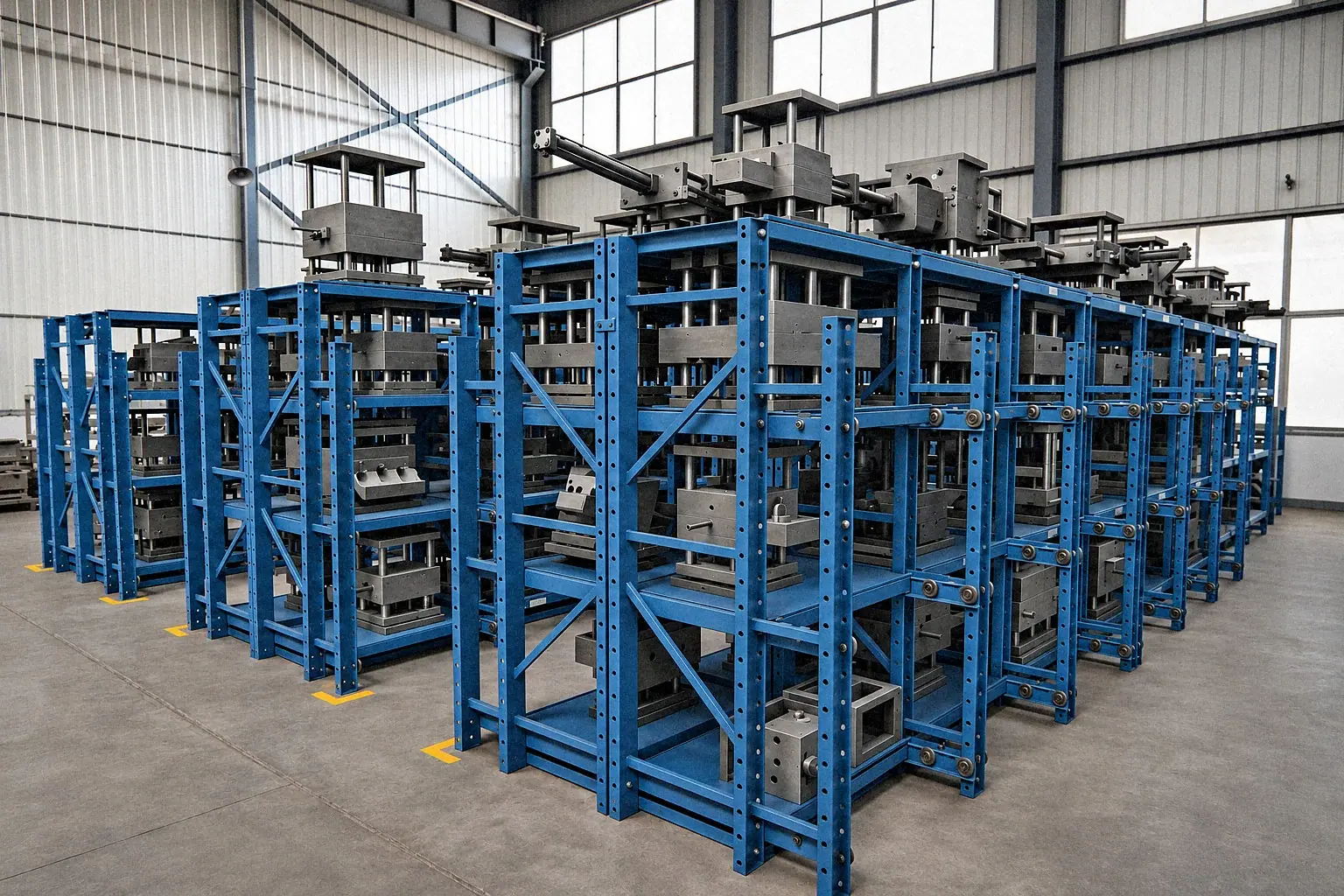
At Bohua
Bohua’s tilt-pour tooling range includes molds with a longest side greater than 800 mm and pours greater than 30 kg.
The corresponding casting-weight range spans less than 0.2 kg to more than 30 kg.
Send the actual mold dimensions, mounting interfaces, center of gravity and pour weight for a transfer review; the published range does not establish a maximum or approve fit.
Choose transfer, duplicate tooling, or new tooling explicitly
Moving a tool, building a duplicate, and designing a new tool require different evidence and continuity plans.
| Route | What to establish | Continuity question |
|---|---|---|
| Transfer the existing tool | Release authorization, complete asset inventory, condition, fit, repair scope, and validation responsibility. | What supply is available while the tool is in transit or under qualification? |
| Build duplicate tooling | Authorized design information, the controlled revision, permitted design changes, and independent validation scope. | Can the current source continue while the second tool is qualified? |
| Build new tooling | Released product requirements, tool design scope, manufacturing route, and sample approval plan. | What production release conditions must be met before allocation changes? |
Compare repair, missing accessories, machining fixtures, sample validation, inspection, packaging, and transport scope together. Agree the work and validation needed to make the existing mold ready for production.
Send the review package before shipping the mold
The first review should establish what is moving, which revision it supports, and what the buyer expects the new source to supply.
- Current 2D drawing, available 3D model, released changes, and approved deviations.
- Current alloy, temper, casting route, machining scope, and delivered condition.
- Tool ownership and release authorization, with any restrictions on use or modification.
- Tool drawings, external dimensions with units, mounting interfaces, service connections, and available equipment-interface records.
- Photos of the mold, inserts, slides, core boxes, gates, vents, wear areas, and ancillary fixtures.
- Maintenance and repair history, known damage, and available use history.
- Current sample parts or reports, defect categories, machining datums, and validation requirements.
- Annual demand, requested sample quantity, initial allocation, and whether the second source will remain on standby or supply regularly.
- Destination, packaging requirements, delivery terms, and requested qualification window.
For gearbox housings, identify bearing seats, cover faces, gasket faces, and oil-seal lands that affect fit with the current assembly. Use the gearbox housing manufacturing and RFQ requirements to describe the component scope.
Audit the complete tooling set and assign correction responsibility
The handoff record should cover ancillary tooling and fixtures as well as the main mold.
| Checkpoint | Evidence to review | Decision to record |
|---|---|---|
| Ownership and revision | Release authorization, asset inventory, current tool revision, and correspondence to the released part geometry. | Permission to receive, use, modify, and return the tooling. |
| Completeness | Main mold, inserts, core boxes, slides, trim tooling, machining fixtures, checking aids, and spare items. | Missing items and responsibility for supplying or rebuilding them. |
| Condition and material | Tool material records where available, wear, cracks, weld repairs, erosion, parting lines, and maintenance history. | Inspection, cleaning, repair, or replacement scope and who authorizes it. |
| Equipment and process fit | Mounting, opening movement, handling, service connections, filling, venting, feeding, and thermal-control arrangements. | Required adaptation and the approved manufacturing route. |
| Machining and inspection | Datums, clamping, machining stock, critical bores, sealing faces, and checking access. | Fixture reuse or replacement and the validation method. |
Assign responsibility for repairs, replacement items, sample manufacture, and repeat validation before work begins. Record who approves a proposed tooling change. Preserve the link between that change and the affected drawing or process revision.
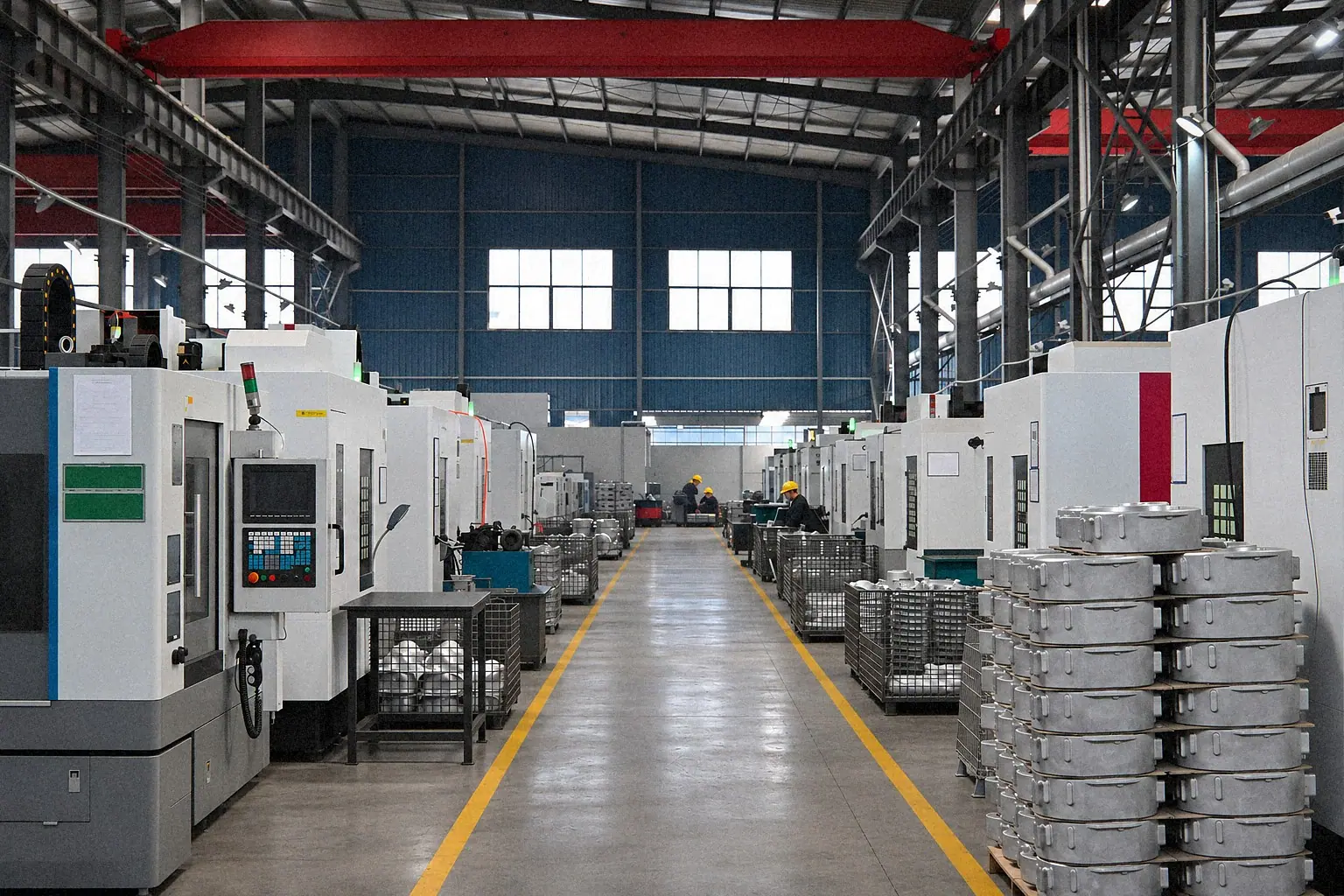
At Bohua
For its mold work, Bohua selects the steel according to the product’s wear demands on the tool and the cost-performance balance.
Include material certificates and repair history when proposing reuse or replacement of an insert; agree the condition assessment before authorizing corrective work.
Approve samples and records before changing production allocation
Obtain customer approval of the samples and records before releasing serial supply from the new source.
- Receive and inspect. Compare the delivered inventory with the handoff list. Record condition and missing items.
- Confirm fit and modifications. Review equipment compatibility and obtain approval for the repair or adaptation scope.
- Make validation samples. Use the agreed drawing revision and proposed production route. Record the relevant material, tooling, and process conditions.
- Review the evidence. Check the agreed dimensional, material, treatment, and functional records. Resolve sample fit against the current assembly where required.
- Control the release. Record deviations, required corrections, customer disposition, packaging approval, and the authorized production allocation.
For dimensional evidence, specify datums and critical features using the CMM inspection and report requirements. If the customer requires a submission package, define it through the PPAP evidence planning guide.
For a pressure-tight part, identify the pressure boundary and require a separate functional test specification. Request leak-test results from the new source alongside the dimensional report, using the agreed boundary and test conditions.
Reconsider transfer when the evidence does not support reuse
A new or duplicate tool may be more suitable when the existing tool cannot support the required revision, equipment, or acceptance plan.
- Ownership or release authority cannot be established.
- Essential inserts, core boxes, or fixtures are missing.
- Wear, damage, or repair history makes continued use uncertain.
- The product revision requires changes that are impractical in the existing mold.
- The filling or feeding design is linked to unresolved quality problems.
- Moving the only tool would leave an unacceptable supply gap.
Use these findings to identify what must be resolved for reuse. Evaluate the proposed repair or rebuild against the validation work and continuity requirements.
Send the drawing, tooling inventory, condition records, sourcing goal, annual demand, and approval requirements through the casting quotation request. Identify the intended route and unresolved handoff responsibilities before the physical move.
Send your drawing and tool handoff records
Submit the RFQ details, then email your drawing for a structured quote review. Not sure which process fits? Tell us what the part must do. In a free drawing review, our engineers recommend a process and suggest design changes where needed.
Send your drawing →