Ningbo Bohua Mechanical Parts Co., Ltd. · Linda, Export Sales · linda@ningbobohua.com · www.bohua-casting.com
Engineering resource
Casting Supplier Evaluation Checklist
Evaluate a casting supplier by matching its factory capabilities to your drawing, inspection requirements, and approval plan. Bohua has its own factory and export team in Ningbo, with casting experience since 1994. Use the evidence checklist below to separate initial screening from part approval and production readiness.
On this page
Verify the factory before qualifying the part
Compare casting suppliers against the same drawing and approval requirements. A website, equipment list, or certificate supports initial screening. Follow that screening with drawing-specific evidence and your required part-approval decision.
At Bohua
Bohua is a manufacturer with its own factory and export team in Ningbo, Zhejiang, China. Casting and exports began in 1994. Casting, core making, tooling, T5/T6 heat treatment, CNC machining, and inspection share a site of about 16,300 m².
| Check | Bohua fact and evidence page | Buyer verification before approval |
|---|---|---|
| Legal entity and location | Ningbo Bohua Mechanical Parts Co., Ltd.; Ningbo, Zhejiang, China. See Bohua company and factory information. | Match the legal entity and site address across the company documents, certificate, and proposed supply agreement. |
| Quality system | IATF 16949:2016, issued by NQA, valid through November 20, 2027. See quality certification information. | Request the current certificate. Check the exact scope, covered site, and status against the proposed manufacturing route. |
| Factory operations | Gravity, tilt-pour, low-pressure, die casting, and sand casting are in-house. Low-pressure casting has been in-house since 2014. Die casting is two machines: one 280 t and one 450 t. See the supplier capability sheet. | Identify where each quoted operation takes place. Request separate evidence for any subcontracted work. |
| Conditional subcontracting | Impregnation is performed by a qualified subcontractor only with customer approval. | Record whether impregnation is permitted and what acceptance evidence is required. |
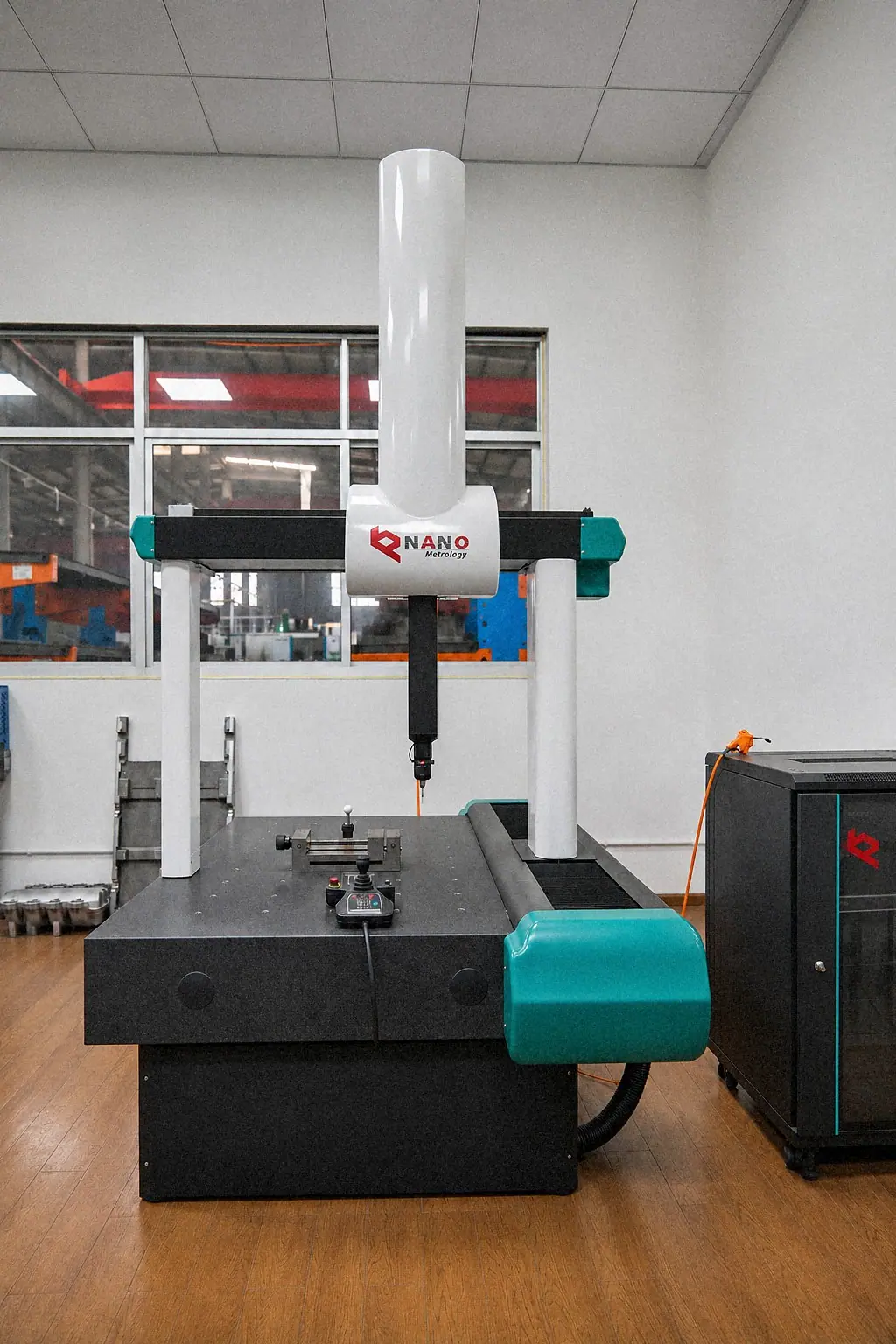
| Inspection resources | CMM, X-ray, optical emission spectroscopy, and air-under-water immersion testing are available. See inspection equipment and quality control. | Match the proposed method to each critical feature or zone. Request the report format and acceptance criteria. |
For each verification, record the document identifier, revision, reviewer, review date, and unresolved differences. Request inspection reports and the controlled certificate to verify the results and scope relevant to your order.

Request evidence for each qualification decision
Ask every candidate for a written response tied to the same drawing revision. Mark each item as supported, incomplete, or requiring validation.
| Review area | Evidence to request | Decision to record |
|---|---|---|
| Process and material fit | Proposed route, alloy and temper, wall and core risks, and design changes linked to the drawing. | Accept the route for further validation, or resolve the mismatch. A proposed material substitution needs buyer approval. |
| Tooling and changes | Inventory of molds, core boxes, inserts, machining fixtures, and checking aids; ownership, maintenance, storage, and revision responsibilities. | Identify what is included and who authorizes tool or process changes. |
| Samples and approval | Sample plan, production-route differences, inspection reports, correction steps, and approval owner. | Define what must be accepted before production release. Separate first samples from completed qualification. |
| Machined features | Datum plan, stock allowance, fixture access, bores, threads, sealing faces, and final measurement condition. | Close ambiguous callouts before releasing tooling. |
| Inspection and acceptance | Feature or zone, method, sampling frequency, acceptance reference and edition, and report requirements. | Agree coverage. Check the actual part results against the agreed acceptance criteria before approval. |
| Quality documents | Current certificate, customer-specific requirements matrix, and agreed PPAP or first-article submission list. | Assign document owners and approval responsibilities. |
| Traceability and shipment | A proposed link from finished lots to material, process, and inspection records; packaging protection, labels, and shipment documents. | Agree identification, record retention, delivery terms, and export responsibilities. |
| Unresolved scope | Drawing revision, exclusions, annual demand, release quantities, schedule dependencies, and an open-issue log. | Give every unresolved item an owner and next action. Request a revised quotation when scope changes. |
At Bohua, molds are designed and made in-house, and PPAP support extends up to Level 5. Send your sample approval criteria and submission requirements so we can review the project evidence with you.
Use Bohua's gravity casting equipment and manufacturing scope to screen process fit. For a structural bracket, add heat-treatment, mechanical-property, and dimensional-stability requirements from the automotive suspension bracket RFQ guide.
Test the records during an audit
Follow a selected lot through the records instead of treating a factory tour as approval. Request permission before reviewing confidential production information.
- Trace a finished lot back to its material and process records. Then trace a material lot forward to the associated finished lots.
- Review material identification, melt-control records, work instructions, mold revision, and tooling maintenance.
- Check measurement calibration status, operator competence, measurement-system evidence, and the datum logic used in dimensional reports.
- Review nonconformance segregation, containment, root-cause analysis, corrective-action effectiveness, and the reaction plan for a drifting dimension.
- Ask for actual output, scrap, rework, and delivery records relevant to the proposed route. Record the period covered and compare those operating results with your demand and delivery needs.
- Verify the quality-system certificate with the issuer or the IATF oversight register. Confirm the covered site and that aluminum casting on the proposed route is inside the scope. A file copy does not show whether the certificate is current.
- Ask which quoted operations sit outside the certified site and how those suppliers are approved. An in-house certificate does not cover an outside process.
Use redacted report examples for an initial desk review. During sampling, check whether the promised material, dimensional, functional, and packaging evidence arrives with the samples.
Qualify a second source before counting on backup supply
A backup supplier needs an approved route and an agreed allocation before it becomes usable backup capacity. State whether the goal is contingency supply, active dual sourcing, or correction of a known quality problem.
- Define the transfer package. Provide the released drawing and model, fixed interfaces, known technical problem zones, annual demand, proposed allocation, and qualification target. Share only information you are authorized to disclose.
- Choose the tooling route. Identify transfer, duplicate tooling, new tooling, or validation-only tooling. Check ownership, transfer rights, condition, and machine compatibility. If the existing tool cannot move, plan new tooling and revalidation. Use the existing-tool transfer checklist for the detailed inventory.
- Separate functional risks. For pump or valve housings, provide a sealed-cavity map, ports, sealing faces, datums, and the pressure boundary. Agree the test stage, medium, pressure, hold time, acceptance criteria, and record format.
- Close the approval gaps. Agree sample evidence, deviations, corrective actions, ramp conditions, and the buyer responsible for allocation. Retain the existing supply plan until the replacement route is approved.
At Bohua
Pressure-tightness testing uses air-under-water immersion at 3 bar or more. The required pressure, duration, acceptance criteria, and testing stage must be specified for the part. Impregnation requires customer approval and is carried out by a qualified subcontractor.
Compare complete responses and keep approval gates separate
Resolve every open drawing, functional, or approval requirement before release, even when the overall score is high. Use the same evidence scale for every supplier.
| Score (points) | Evidence state |
|---|---|
| 1 | Missing, contradictory, or based on undisclosed assumptions. |
| 2 | Partly answered; important scope or responsibility remains unclear. |
| 3 | Clearly stated; supporting evidence is still needed. |
| 4 | Aligned with the RFQ, with an evidence plan and named owner. |
| 5 | Revision-controlled and supported by the requested evidence. |
Apply the scale to process fit, RFQ completeness, quality evidence, commercial scope, and communication. Agree any weighting within your buying team. Evaluate whether replies resolve technical questions, identify risks, and assign actions. Check that those actions are complete before approving readiness.
Compare tooling, fixtures, casting, heat treatment, machining, finishing, inspection, packaging, and freight on the same scope. Keep annual demand, release quantity, and minimum order assumptions separate. Include sample correction, validation, inventory buffer, and containment responsibilities in the decision. Use the casting quotation comparison sheet for the detailed commercial comparison.
For a Bohua review, send the drawing revision, model, alloy and temper requirements, quantities, tooling status, critical features, inspection needs, destination, and approval path through the casting RFQ page. Use the engineering and buyer resources for supporting checklists.
Send your drawing and supplier qualification requirements
Include the drawing revision, annual demand, tooling status, inspection requirements, and approval path. Not sure which process fits? Tell us what the part must do. In a free drawing review, our engineers recommend a process and suggest design changes where needed.
Send your drawing →